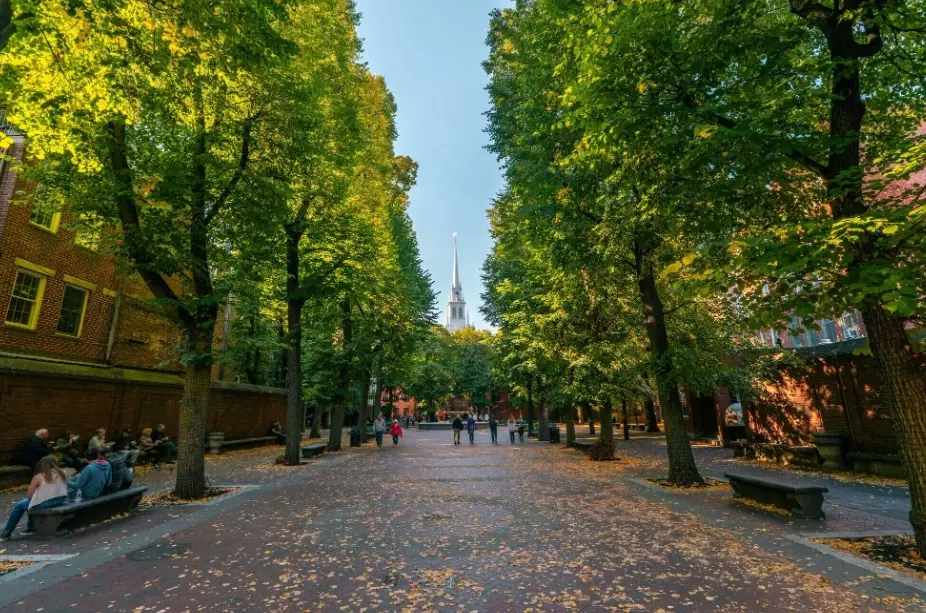
Portugal isn't just a list of famous landmarks. It's the feeling of warm tiles underfoot in a sun-drenched square, the taste of a slightly burnt pastel de nata, and the sound of a fado guitar echoing down a steep, cobbled alley. Most guides tell you what to see. I want to tell you how to see it—and, more importantly, how to feel it. Having spent years exploring every corner, from the manicured plazas to the dusty backroads, I've learned that the magic is in the details most tourists miss. Let's move past the postcard-perfect shots and dive into the real, practical, and unforgettable places to see in Portugal.
Your Portugal Sightseeing Jumpstart
Lisbon: The Gateway & The Grit
Everyone starts here. Lisbon is vibrant, exhausting, and utterly captivating. But the biggest mistake? Trying to "do" it in two days. The city reveals itself in layers.
The Belém Essentials (And How to Skip the Lines)
The Jerónimos Monastery and Belém Tower are non-negotiable. They're stunning. They're also packed. Here's the trick nobody tells you: buy a combined ticket online from the official Direção-Geral do Património Cultural website. It saves money and a specific time slot for the Monastery. Go for the first slot of the day. For the Belém Tower, the queue snakes around by 10 AM. I go late afternoon, around 4 PM. The light is golden for photos, and the crowds thin out. The inside is cramped, honestly. The real view is from the riverbank outside.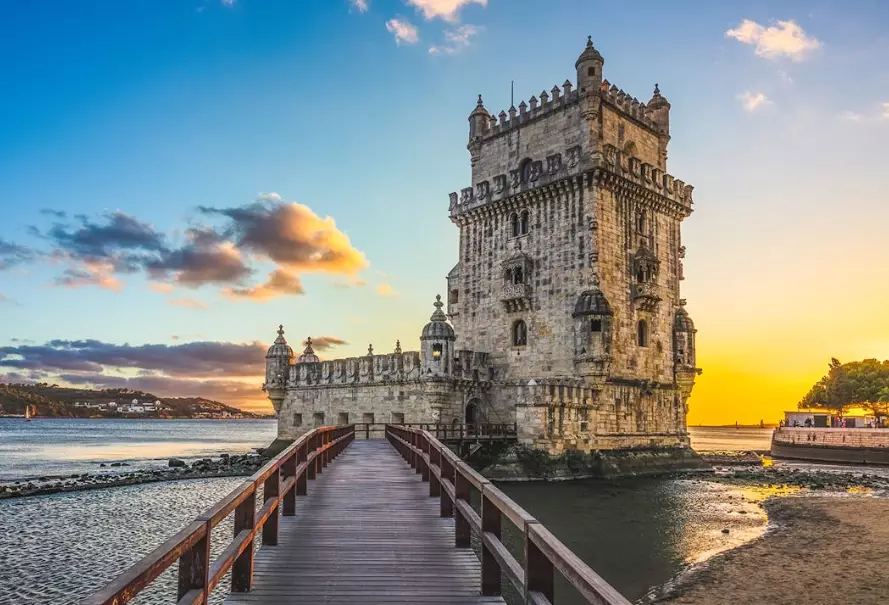
Lisbon Pro-Tip: The iconic Tram 28 is a rolling tourist trap during the day. For the authentic experience, walk its route from Graça to Estrela in the early evening. You see the same views, hear the same rattles from the sidewalk, and can actually stop for a glass of vinho verde whenever you like.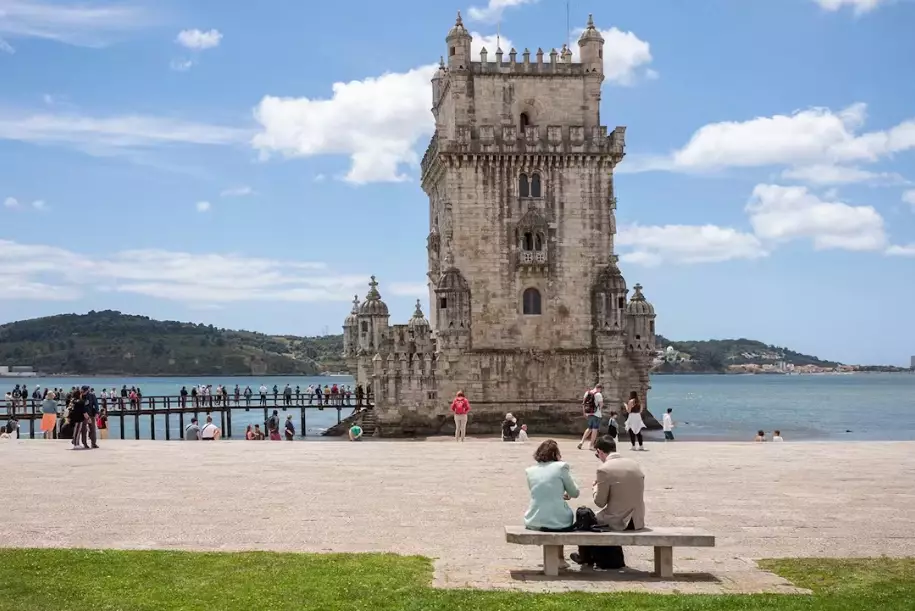
Alfama Beyond the Fado Houses
Yes, get lost in Alfama. But don't just wander aimlessly. Head uphill to the Miradouro da Graça or Miradouro da Senhora do Monte with a coffee in hand. The view of the castle and the river is the real postcard. The Sé de Lisboa (Cathedral) is impressive, but the cloister feels like an afterthought compared to others. My time is better spent at the Museu do Fado to understand the soul of the music before hearing it live.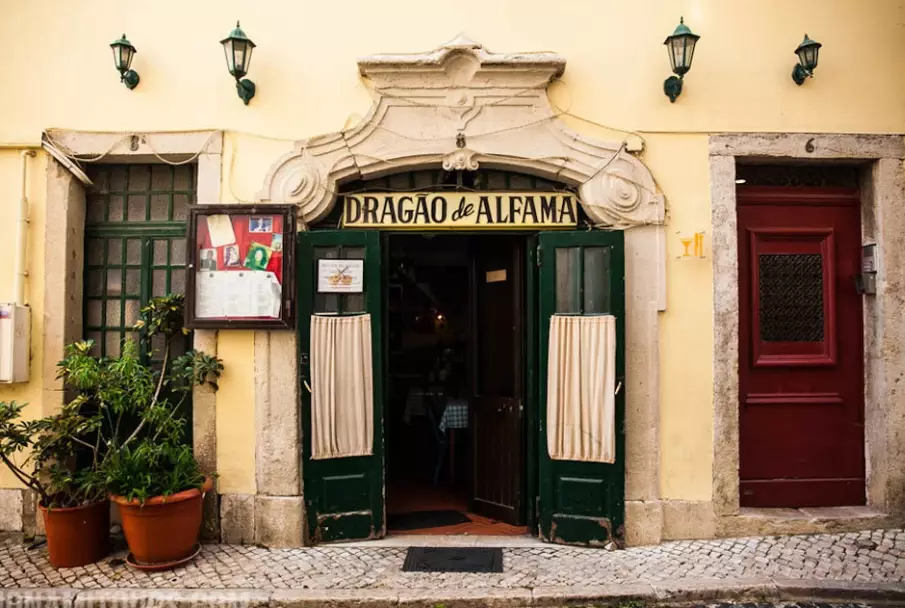
| Key Lisbon Sight | Practical Details | Insider Note |
|---|---|---|
| Jerónimos Monastery | Belém. €10 (Monastery), €12 combo with Belém Tower. Open 10 AM - 6:30 PM (Oct-Apr), 10 AM - 7 PM (May-Sep). Closed Mon. Train to Belém station. | The South Portal is the masterpiece. Spend time here. The church interior is free to enter separately. |
| Belém Tower | Belém. €6. Same hours as Monastery. Same transport. | Interior is tight and often has a queue inside. The exterior and surrounding gardens are 70% of the charm. |
| Castelo de São Jorge | Alfama. €15. Open 9 AM - 9 PM (Mar-Oct), 9 AM - 7 PM (Nov-Feb). Tram 28 or bus 737. | Buy tickets online. The castle walls offer the best panoramic views, but the peacocks and archaeological site are underwhelming for the price. |
Porto: The Soulful North
Porto feels more lived-in than Lisbon. It's grittier, more vertical, and the Douro River is its heartbeat. The mistake here is focusing only on the port wine cellars across the river in Vila Nova de Gaia.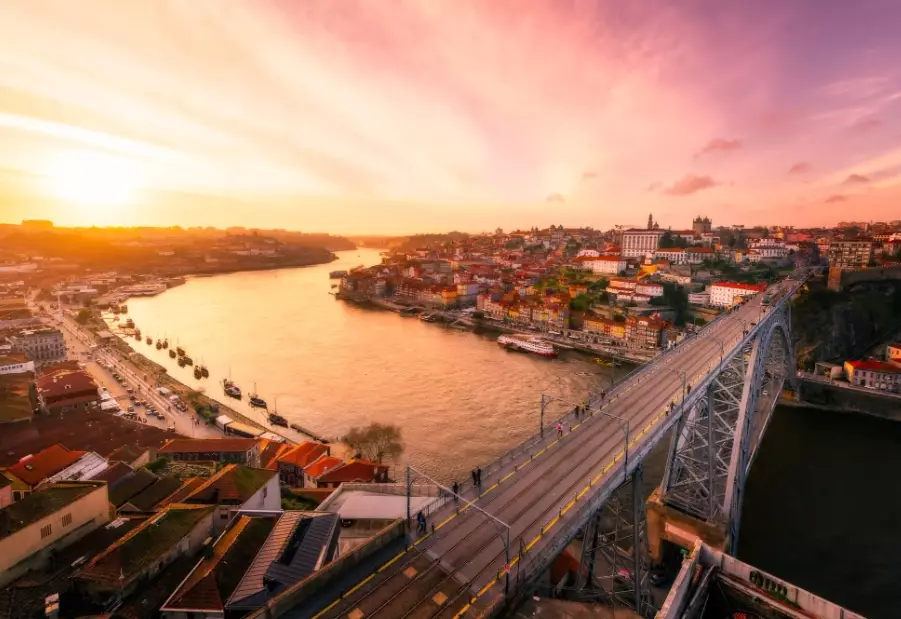
The Livraria Lello bookshop is beautiful, but the ticket-and-queue system feels like entering a theme park. It's €8 (deductible from a book purchase), and you need to book a timed slot online. Go right at opening. The staircase is the star.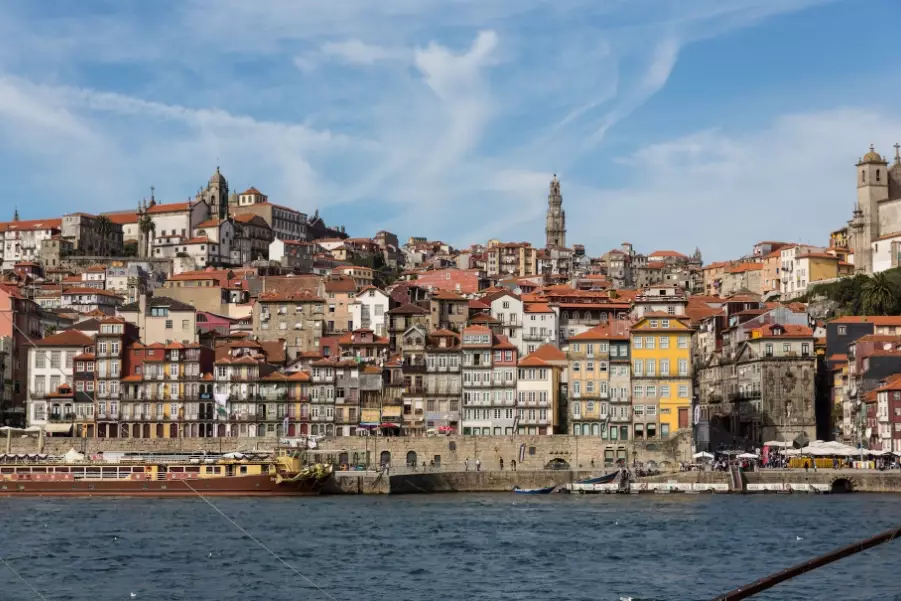
Instead, walk across the Dom Luís I Bridge on the upper level for heart-stopping views. In Gaia, yes, do a port tasting. But skip the big names unless you're a connoisseur. I prefer smaller lodges like Churchill's or Graham's for a more intimate tour. The "Porto. Cruzamos o rio e a história" exhibition at the WOW cultural district is surprisingly engaging if you hit a rainy day.
Sintra: Where Fairytale Meets Reality
Sintra is a UNESCO World Heritage site for a reason. It's also a logistical puzzle that can ruin your day if approached wrong. You cannot "pop in" from Lisbon. You need a full day and a strategy.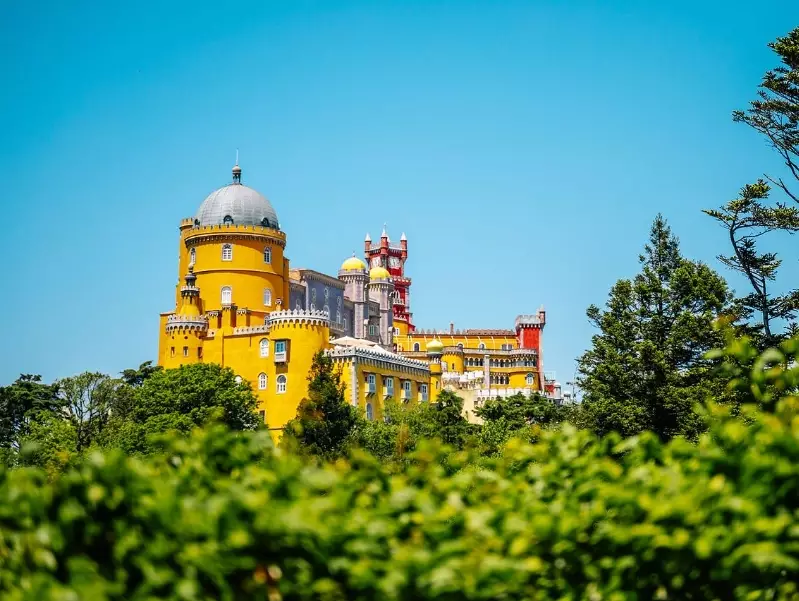
Pena Palace is the colorful crown. Book tickets online for a specific palace entry time. The park grounds open earlier—get there when they open, explore the park first, then enter the palace at your slot. The palace interior is a crowded, slow-moving single-file line through ornate rooms. The exterior terraces and walls are the real reward.
The Moorish Castle is often skipped. It's my favorite. It's a genuine 9th-century fortress with walls snaking along the mountain ridge. The views over Sintra and to the ocean are unbeatable. It requires walking and climbing, but it feels authentic, not theatrical.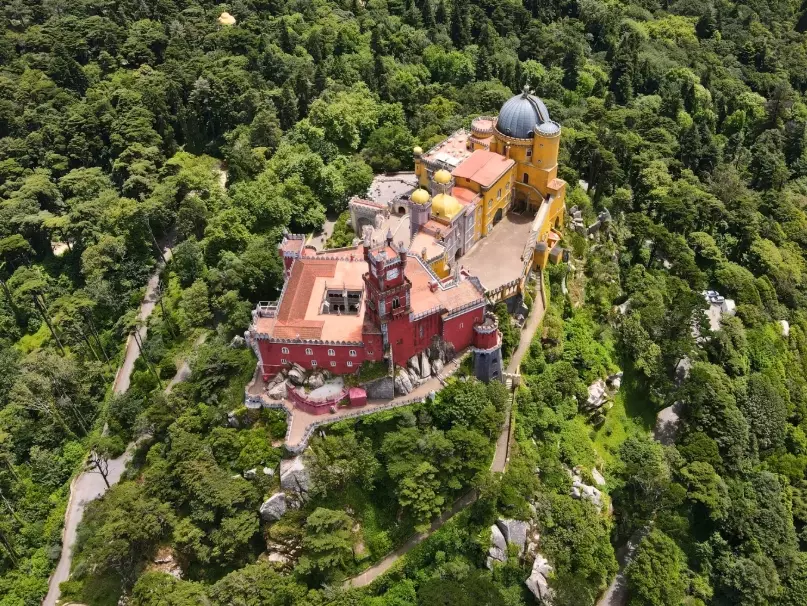
Quinta da Regaleira is the hidden star. The Initiation Well is famous, but the entire estate of grottoes, tunnels, and symbolic architecture is a playground for the imagination. Go early or late to have the well to yourself for a moment.
How to Get to Sintra Without the Headache
Train from Lisbon's Rossio station (€2.30 each way, 40 mins). Do NOT drive into the historic center. Upon arrival at Sintra station, take the 434 tourist circuit bus (€6.90 for a hop-on-hop-off loop) that goes to the historic center, Moorish Castle, and Pena Palace. Walking up is a steep, long hike. A tuk-tuk is a good alternative for 2-3 people.
The Algarve Coast: A Beautiful Question Mark
The Algarve's cliffs and beaches are spectacular. But is it a top "place to see" for a culture-focused traveler? It depends. If you want beach time, yes. Praia da Marinha near Lagoa is the iconic postcard beach. Pont da Piedade in Lagos offers breathtaking sea arches and grottoes best seen from a small kayak or traditional boat.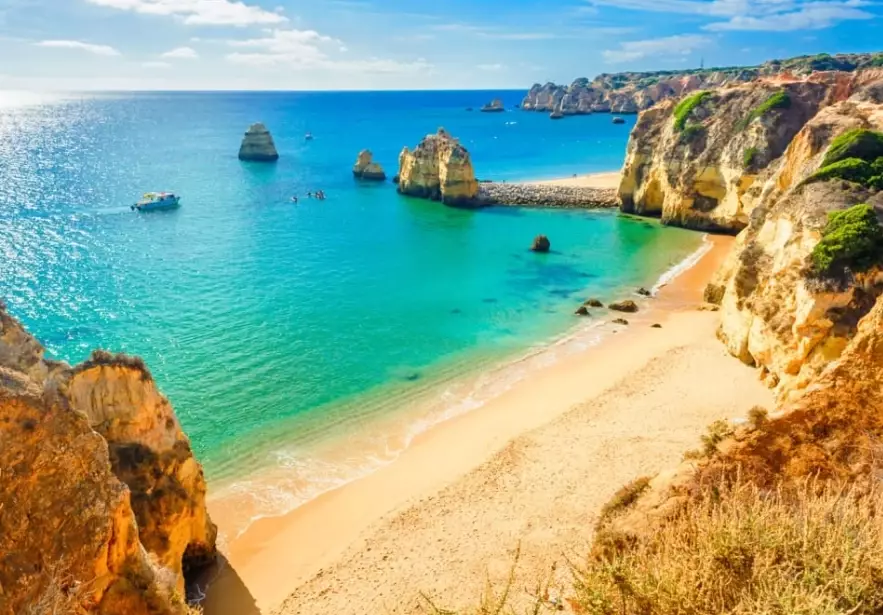
But the towns—Lagos, Albufeira, Faro—can feel overwhelmingly touristy and built for resorts. My advice? Use the Algarve as a relaxing finale to a cultural trip, not the main event. Base yourself in Tavira, a charming, quieter town with a Moorish feel, or Sagres for wild, dramatic scenery and a surfer vibe.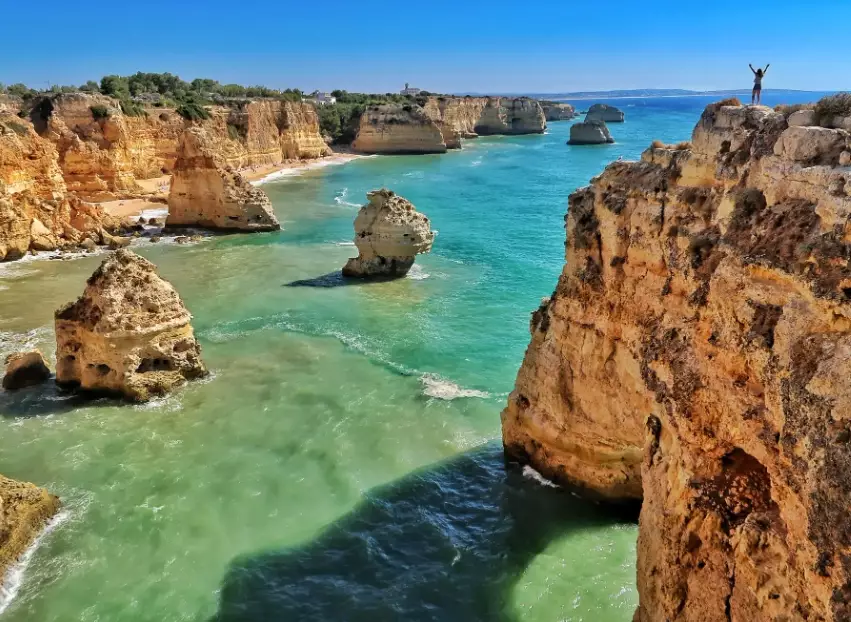
The hidden gem here is the Ria Formosa Natural Park, a labyrinth of lagoons and islands near Faro. Take a boat tour to the deserted Ilha Deserta. It feels a world away from the crowded southern beaches.
Portugal's Hidden Gems You Can Actually Enjoy
These are the places where you'll have space to breathe and feel like you've discovered something.
- Óbidos: A perfectly preserved medieval walled town. Walk the walls (carefully!), try the local ginjinha (cherry liqueur) served in a chocolate cup. It's an easy day trip from Lisbon.
- Évora: In the Alentejo region. A museum-city with Roman ruins (a working Roman Temple), a haunting Chapel of Bones, and whitewashed streets. The food and wine here are exceptional and cheaper. Stay overnight to feel the serene atmosphere after the day-trippers leave.
- Douro Valley: This is the star region many miss. It's not just a wine region; it's one of the world's oldest and most stunningly beautiful, with terraced vineyards plunging into the Douro River. Take a scenic train from Porto (the Linha do Douro) to Pinhão, or better yet, stay at a quinta (wine estate) for a night.
- Aveiro & Costa Nova: Called the "Portuguese Venice," Aveiro has colorful moliceiro boats in its canals. A short drive away is Costa Nova, with its iconic striped wooden houses on the beach. It's unique and photogenic.
Planning Your Portugal Travel Itinerary
How you string these places together matters. Here’s a framework based on time.
One Week (The Classic Triangle): 3 nights Lisbon (with a day trip to Sintra), 3 nights Porto (with a day trip to the Douro Valley). It's rushed but hits the major notes.
Ten Days (Adding Depth): 3 nights Lisbon, 1 night Sintra (to experience it without day-trippers), 3 nights Porto, 2 nights Douro Valley, 1 night back in Lisbon. This is a far richer rhythm.
Two Weeks (The Deep Dive): Follow the ten-day plan, then add 2 nights in Évora (Alentejo) and 2 nights in Tavira or Sagres (Algarve) for coast and culture contrast.
Transport: Trains between Lisbon and Porto are fast and comfortable (book in advance on CP for discounts). For Sintra, Douro Valley, and smaller towns, regional trains or buses (Rede Expressos) work. Renting a car is only necessary for deep exploration of Alentejo, Douro Valley estates, or the Algarve hinterland.
Your Portugal Travel Questions Answered
The places to see in Portugal form a mosaic of city energy, historical weight, and raw natural beauty. It's a country that rewards the curious traveler who looks beyond the obvious snapshot. Plan with practicality, move with slowness, and be ready to fall for the details—the taste of that perfect custard tart, the cool quiet of a stone cloister, or the endless view from a castle wall you have all to yourself. That's the real journey.
This guide is based on extensive personal travel and regular fact-checking against official tourism and cultural heritage sources to ensure accuracy for your planning.