Let's be honest. You search for "things to do in Boston" and you get the same list: Freedom Trail, Faneuil Hall, maybe a duck boat. It's not wrong, but it's not the whole story either. Having walked these cobblestone streets for years, I've seen visitors miss the magic because they're stuck in a tourist bubble. The real Boston things to do involve a mix of iconic history and quiet moments you won't find on a generic itinerary. This guide cuts through the noise. I'll give you the essentials, sure, but more importantly, I'll show you how to experience them without the crowds, where to find the city's pulse, and how to plan a trip that feels personal, not packaged.
What's Inside This Boston Guide
The Non-Negotiable Boston Attractions
These are the pillars. You can't skip them, but you can experience them smarter. The key is timing and perspective.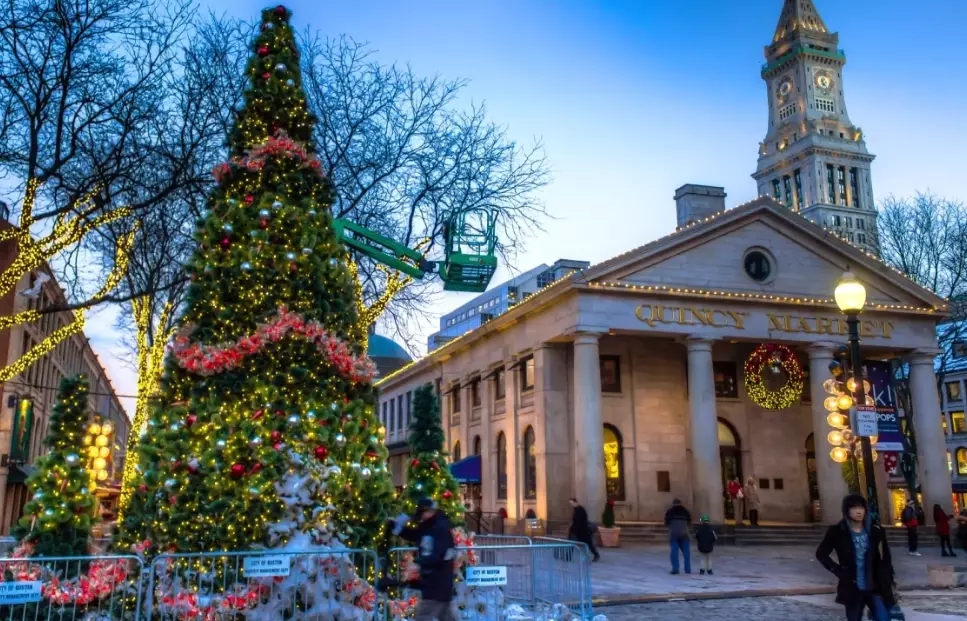
Walking the Freedom Trail (The Right Way)
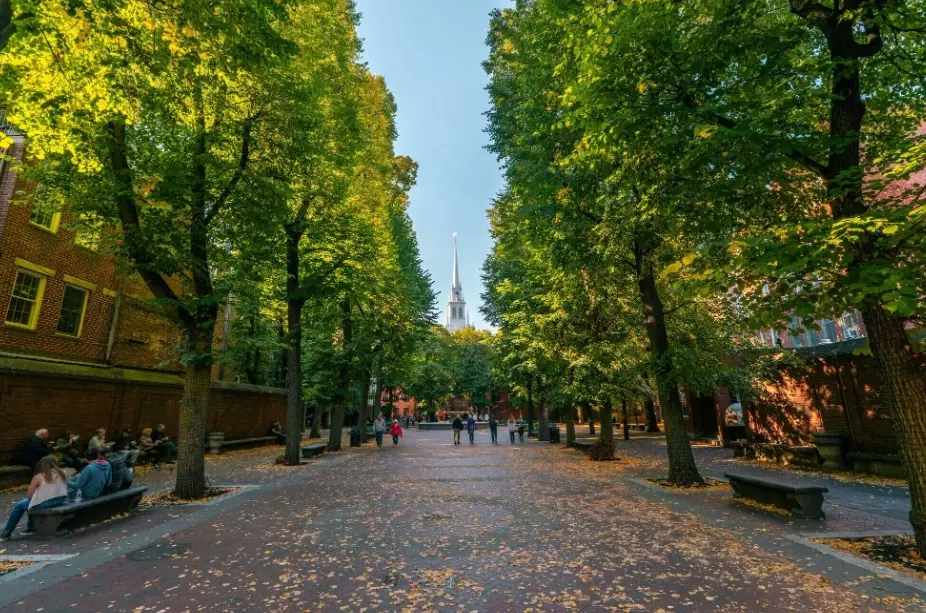
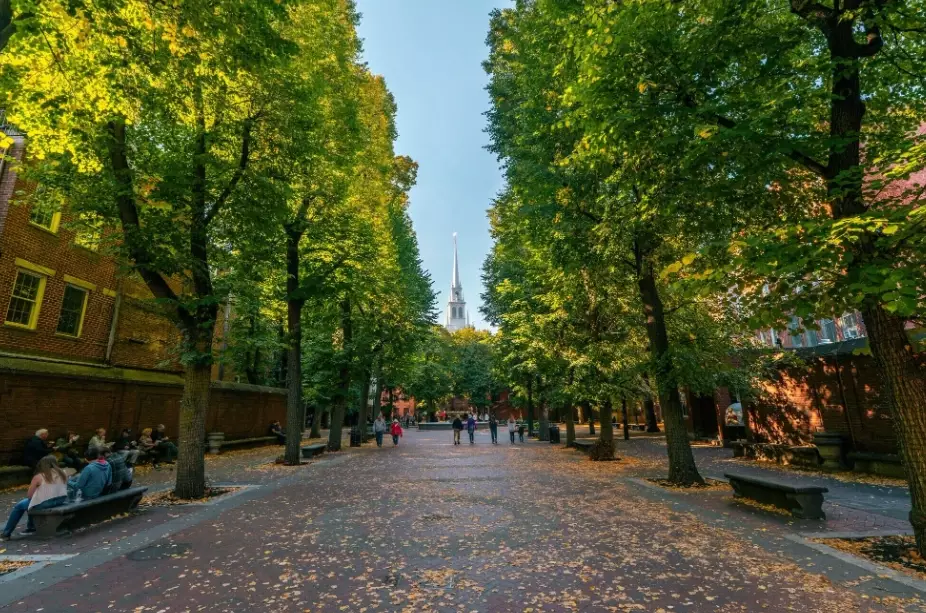
The 2.5-mile red brick line connecting 16 historic sites is Boston's spine. Most people start at Boston Common and follow the crowds. My advice? Do it backwards. Start at the Bunker Hill Monument in Charlestown. You'll encounter far fewer people in the morning, and you end your walk in the heart of downtown, perfectly positioned for lunch. Don't feel pressured to see every single stop. The Old North Church (where the lanterns were hung) and the Granary Burying Ground (resting place of Paul Revere) are the heavy hitters. The National Park Service runs free guided talks from the Visitor Center on State Street – they're gold.
| Site | Key Info | Pro Tip |
|---|---|---|
| Freedom Trail Start (Boston Common) | Address: 139 Tremont St. No ticket needed for the Common itself. | Grab a map at the Visitor Center. The red line is painted, but it fades in places. |
| USS Constitution & Museum | Address: Building 22, Charlestown Navy Yard. Free entry, donation suggested. Open 10am-5pm. | Check the museum website for "Old Ironsides" sailing times – seeing it under sail is rare and spectacular. |
| Faneuil Hall Marketplace | Address: 4 S Market St. Shops open ~10am-9pm. | It's a tourist hub. Go for the architecture and people-watching. For food, the upstairs of Quincy Market has slightly better options and seating. |
Museum Musts: MFA and Isabella
Boston's museum scene is world-class. The Museum of Fine Arts (MFA) is enormous. I've gotten lost in there. Don't try to see it all. Focus on one wing—the American Art collection, with its stunning Sargents and Cassatts, is my personal favorite. Check if your hotel or a city pass offers discounted admission. Then there's the Isabella Stewart Gardner Museum. It's smaller, intimate, and feels like stepping into a Venetian palace. The central courtyard is breathtaking. Here's a secret few share: the acoustics in the courtyard are incredible. If you hear a musician practicing (which happens often), sit and listen. It's a transcendent experience.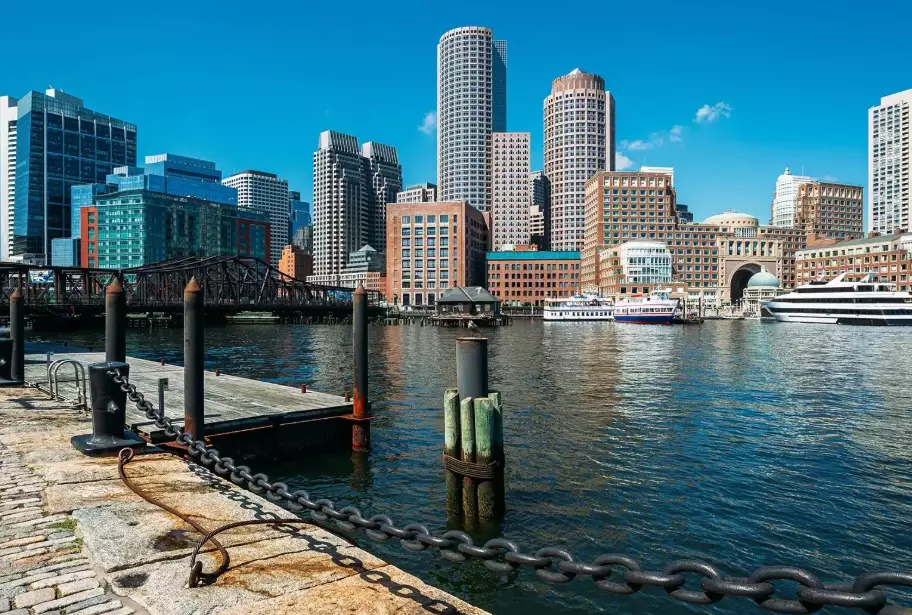
How to Plan Your Boston Itinerary Like a Pro
Boston is a city of neighborhoods. Clumping activities by area saves your feet and your sanity. Here’s how I'd structure a three-day core trip.
Day 1: History & Harbors. Start early in Charlestown (USS Constitution). Walk the Freedom Trail backwards to the North End. Have a late lunch there—not at the first crowded spot on Hanover Street, but down a side alley. Spend the late afternoon exploring Faneuil Hall and the waterfront. Dinner near the harbor.
Day 2: Culture & Academia. Morning at the Museum of Fine Arts. Afternoon hop on the Red Line to Harvard Square in Cambridge. Wander Harvard Yard (it's free), browse the bookstores, and feel the academic energy. This beats staying in downtown all day.
Day 3: Back Bay & Local Flavor. Walk the Commonwealth Avenue Mall, a beautiful, Parisian-style boulevard. Explore the Public Garden (ride the Swan Boats if it's season). Then, instead of just Newbury Street shopping, head to the South End for its brownstones, art galleries, and some of the city's best restaurants. The SoWa Open Market on Sundays is a local magnet.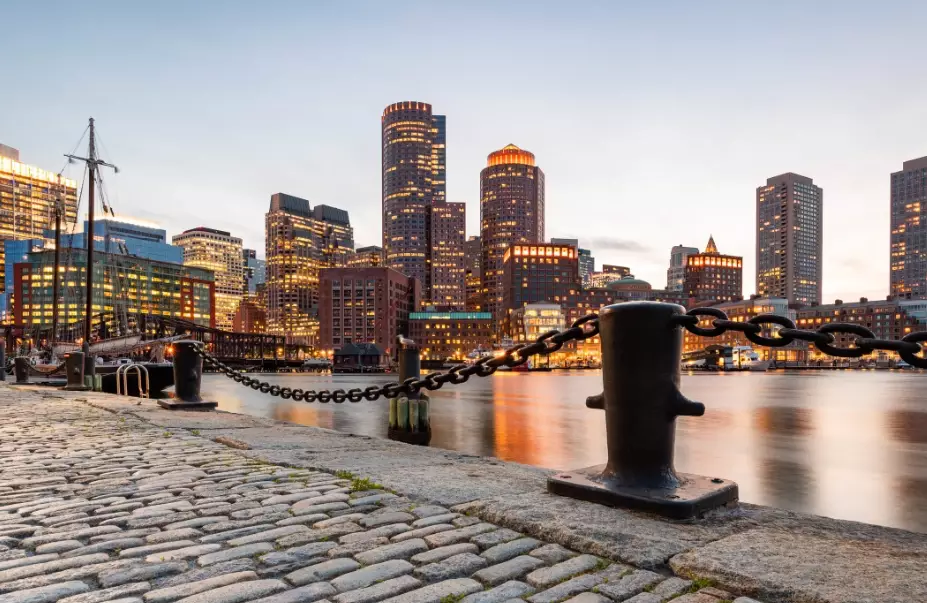
Boston Travel Guide: Local Tips to Save Money & Time
This is the stuff that separates a stressful trip from a smooth one.
Transportation: Driving in downtown Boston is a special kind of frustrating. The roads are old and confusing. Use the "T" (subway) for getting between neighborhoods. For shorter distances within areas like the North End or Back Bay, walking is not only feasible, it's the best way to discover things. The MBTA website has real-time updates. Ride-sharing is fine for late-night returns.
The City Pass Debate: The Go Boston Pass or CityPASS can be worth it, but only if you're a museum-and-attraction marathoner. Do the math: add up the individual entry fees for the places you genuinely want to visit. If you prefer slow travel or just one major museum, skip it.
Dining Smart: Boston's food scene isn't just seafood. The North End has fantastic Italian, but the wait at peak times is absurd. Eat at 5:30 pm or after 8:30 pm. For a classic lobster roll, I've found the no-frills places outside of the immediate waterfront have better prices and are just as good. And always, always make a reservation for a nice dinner.
Hidden Gems & Local Favorites in Boston
This is where your trip becomes unique.
- The Mapparium at the Mary Baker Eddy Library: A three-story stained-glass globe you walk through via a glass bridge. It's bizarre, beautiful, and you'll have it mostly to yourself. The acoustics are mind-bending—a whisper at one end is heard clearly at the other.
- Jamaica Pond: In the Emerald Necklace park system. Rent a rowboat (cash only, last I checked) and get a peaceful, postcard view of the city skyline from the water. It's what the locals do on a summer Saturday.
- Boston Public Library Central Branch: Not just a library. The Bates Hall reading room is a cathedral of silence and study. The courtyard is a serene Italianate oasis. It's free, quiet, and stunning.
- Harpoon Brewery: Yes, it's a brewery tour. But their pretzels, made fresh with their beer yeast, are the best I've had anywhere. The tour is fun, but you can just visit the beer hall.
Your Boston Trip FAQs Answered
What is the best way to avoid crowds at popular Boston attractions?
Is the Boston CityPASS worth it for a first-time visitor focused on history?
Where can I find authentic, non-touristy food in the North End?
How walkable is Boston really, and what neighborhoods are best explored on foot?
What's one thing most Boston travel guides get wrong?
Planning your Boston things to do list isn't about checking boxes. It's about leaving space for the unexpected—the quiet courtyard, the side-street bakery, the conversation with a local in a pub. Use the structure here to avoid the common pitfalls, then let the city's layered history and vibrant neighborhoods guide you. You'll leave with more than photos; you'll have a feel for the place.