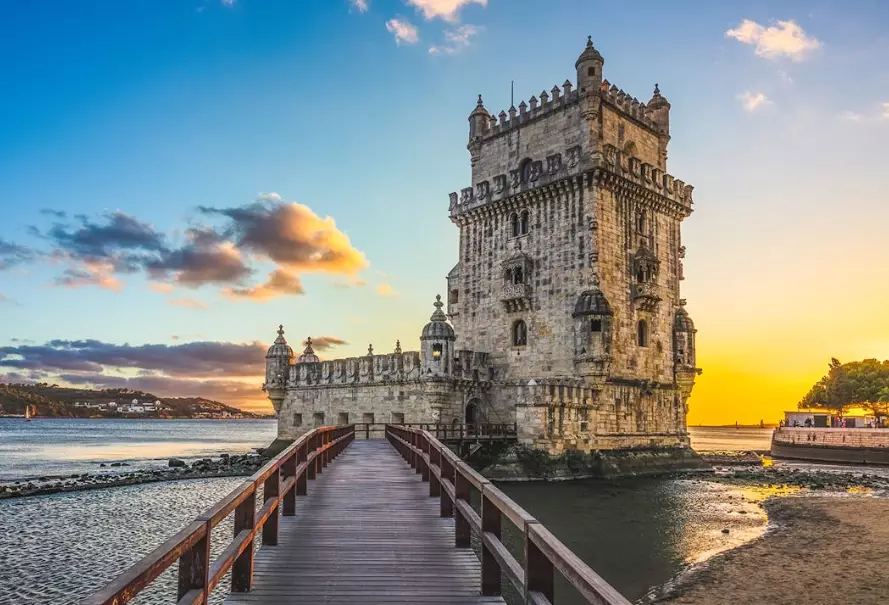
Planning a trip to Italy feels like staring at a menu where every dish is the chef's special. You want to see it all, but time and logistics get in the way. I've been there, trying to cram Rome, Florence, Venice, and the coast into a week, ending up exhausted and feeling like I only scratched the surface. The real trick isn't just listing famous spots; it's knowing how to experience them without the headache of endless queues and tourist traps. This guide cuts through the noise. We'll look at the essential Italian places to visit, from the iconic cities to the stunning coasts and quiet hill towns, with the practical details—ticket hacks, transport tips, and timing advice—that most guides gloss over. Let's build an itinerary that feels like a discovery, not a checklist.
Your Italy Trip Roadmap
Essential Italian Cities You Can't Miss
You start with the big three for a reason. They're famous, crowded, and utterly magnificent. The mistake is trying to do them too fast. Give each city breathing room.
Rome: The Eternal Layer Cake
Rome isn't a city you see; it's one you walk through, with history stacked on every corner. The Colosseum, Roman Forum, and Palatine Hill are a single massive archaeological site. I made the error of buying a standard ticket at the Colosseum entrance on my first visit—the line cost me two hours under the sun.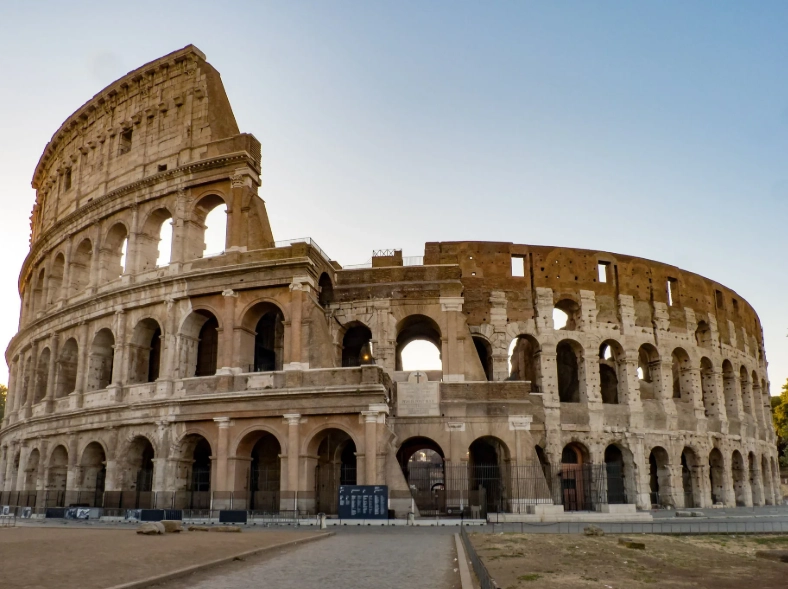
Pro Tip: Always book a "Full Experience" ticket online in advance. This covers all three areas and lets you choose a timed entry slot for the Colosseum. The official ticket vendor is the CoopCulture website. Entry is around €24. The Forum entrance on Via della Salara Vecchia often has shorter queues than the main one if you haven't booked.
Don't just rush from ancient site to ancient site. Spend an evening in Trastevere, across the Tiber River. Its cobbled lanes feel a world away from the imperial grandeur, packed with trattorias where the pasta is genuinely better than in the tourist centers near the Pantheon.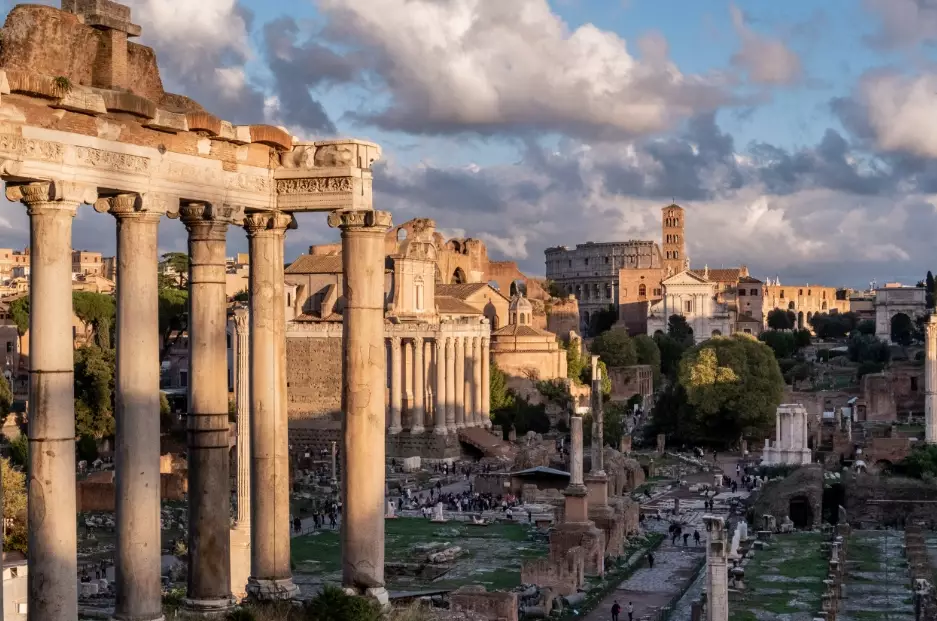
Florence: The Renaissance Walk
Florence is compact. You can see the Duomo, Uffizi Gallery, and Ponte Vecchio all in a day, but you'll miss the point. The magic is in the slow appreciation. The Uffizi is overwhelming. I once saw a visitor sprint through the Botticelli room in five minutes.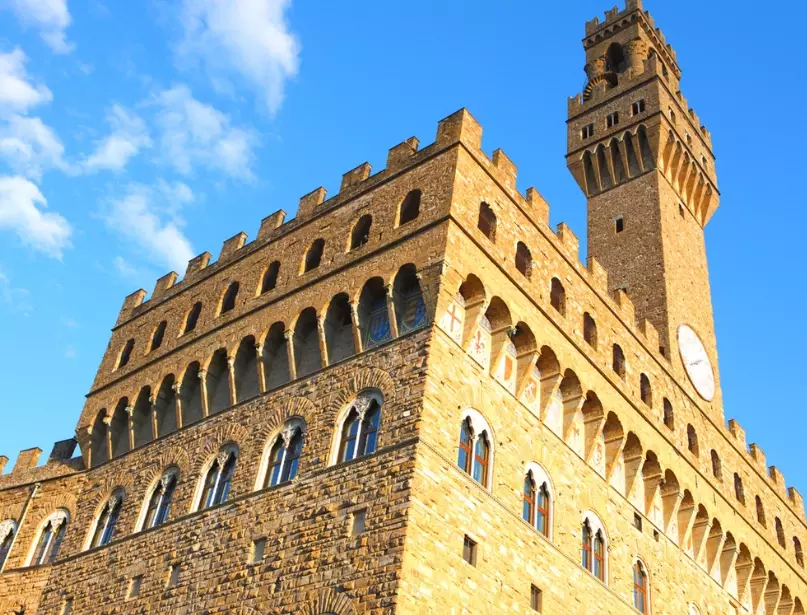
Book your Uffizi ticket online with a specific time. It's mandatory now and saves you a potentially four-hour wait. Focus on one wing. The Medici collection in the first-floor corridors is often less crowded than the main painting galleries. For the Duomo, climbing Brunelleschi's dome requires a separate, timed ticket (the "Brunelleschi Pass") that sells out days ahead. The view from Giotto's Bell Tower next door is just as spectacular and usually has a shorter line.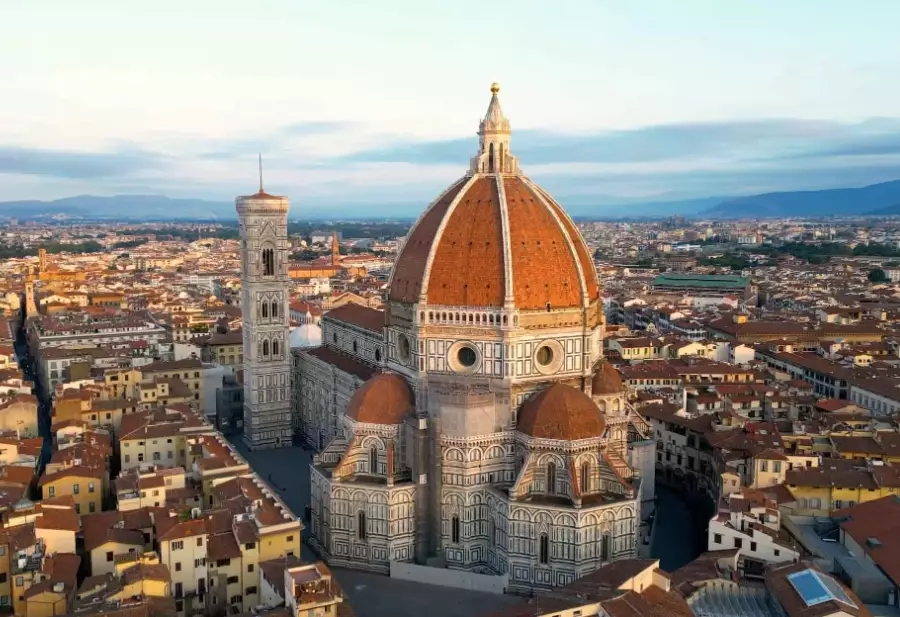
Venice: Navigating the Canals (and Crowds)
Venice lives up to the hype, but only if you escape the funnel between the train station (Santa Lucia) and St. Mark's Square. The key is to get lost. Intentionally. Put away your phone map after you see the Rialto Bridge and just wander.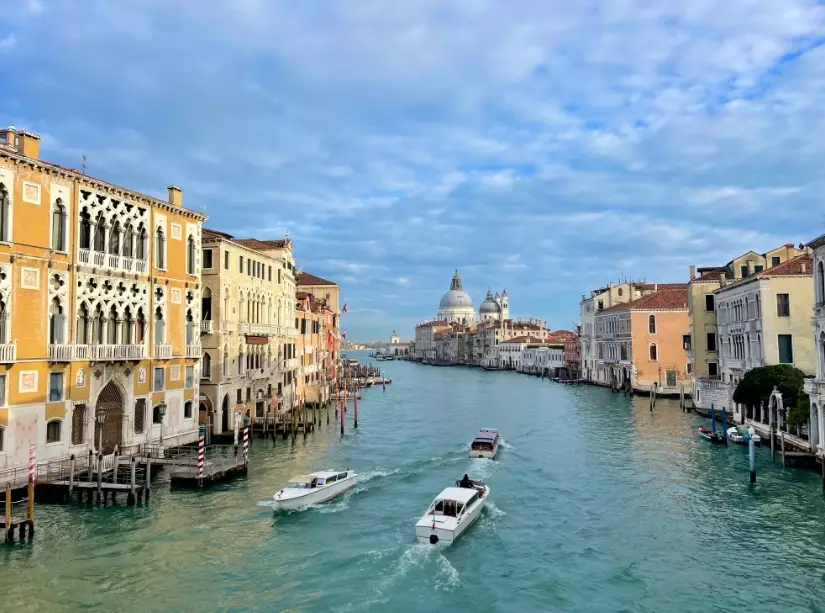
For transport, the vaporetto (water bus) is expensive. A single ticket is €9.50. If you're staying more than a day and plan to move around, a 24, 48, or 72-hour travel pass pays for itself quickly. Validate it before your first ride.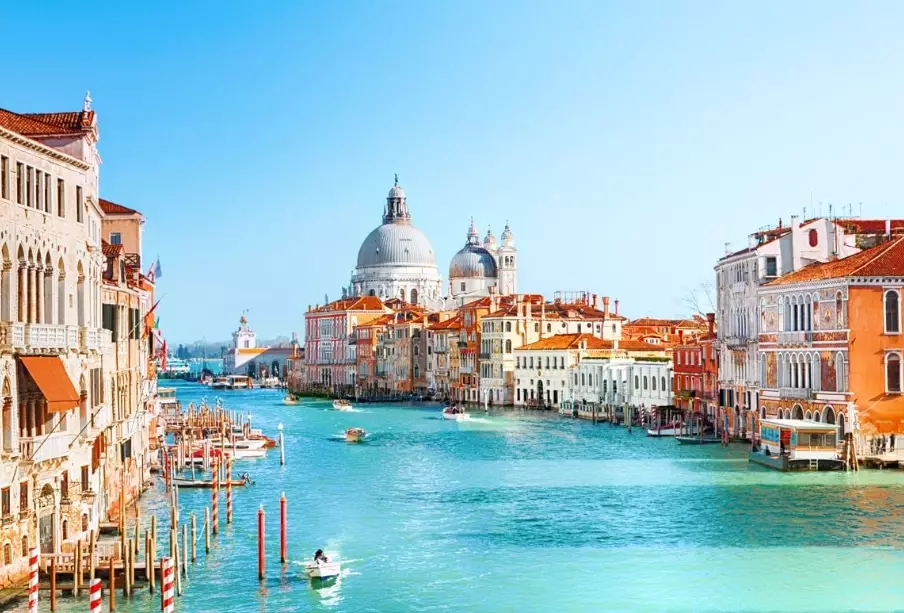
Italy's Stunning Coastal Escapes
If the cities are about art and history, the coast is about pure sensory pleasure—the colors, the smells of lemon and salt, the dramatic cliffs. Picking one can be tough.
| Destination | Best For | Key Practical Info | The Local Detail Most Miss |
|---|---|---|---|
| Amalfi Coast (Positano, Amalfi, Ravello) | Dramatic scenery, luxury hotels, iconic photos. | Extremely crowded May-Oct. Parking is a nightmare. Use the SITA Sud buses or ferries between towns. Driving the SS163 road is stressful. | Ravello, up the mountain, is cooler and far quieter than the coastal towns. The gardens of Villa Cimbrone offer a breathtaking view without the Positano press of bodies. |
| Cinque Terre (Five Lands) | Hiking, colorful villages, a more rustic feel. | The hiking trails connect the villages. A Cinque Terre Trekking Card or the Cinque Terre Train Card covers trails and unlimited train travel between them. Monterosso is the only village with a sizable sandy beach. | The Sentiero Azzurro (Blue Path) between Monterosso and Vernazza is the iconic hike, but the higher path from Corniglia to Vernazza (Sentiero 587) has even better views and fewer people. |
| Sicily's Coast (Cefalù, Taormina, Aeolian Islands) | Culture combined with beach life, ancient Greek ruins, active volcanoes. | You need more time here. Taormina is a hilltop town with a stunning Greek theatre and views of Mt. Etna. To reach its beach (Isola Bella), take the cable car. Ferries to the Aeolian Islands (Lipari, Stromboli) depart from Milazzo. | In Cefalù, skip the crowded main beach. Walk 15 minutes east along the coast to Caldura, a rocky cove with clearer water and a local vibe. |
The coastal towns share one major issue: overtourism in peak summer. My strong recommendation is to visit in late September or early October. The sea is still warm, the summer crowds have thinned, and the light is golden. You'll actually get a seat at a cliffside restaurant.
The Undisputed Charm of Hidden Hill Towns
This is where you find the Italy of postcards and quiet dreams. Tuscany and Umbria are dotted with them. Renting a car is almost essential here, and that's part of the adventure.
San Gimignano is famous for its medieval towers, and yes, it gets tour buses. Go early in the morning before 10 am or stay late after the buses leave at 5 pm. The town transforms. Their vernaccia white wine is superb.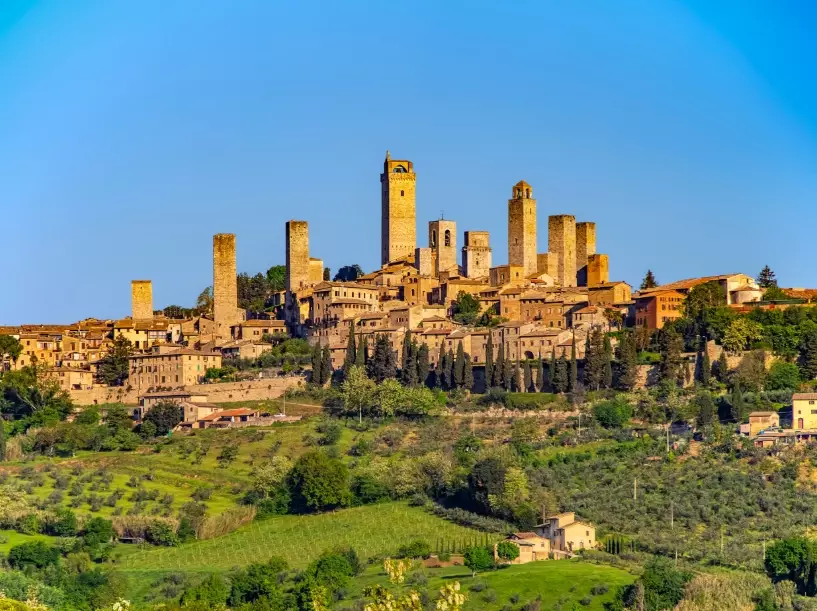
Montepulciano feels more lived-in. It's less of a museum and more of a working town famous for its Vino Nobile. You can tour cantinas (wine cellars) built into the cliffside underneath the city. I found one by accident down a nondescript staircase—no fancy sign, just incredible wine.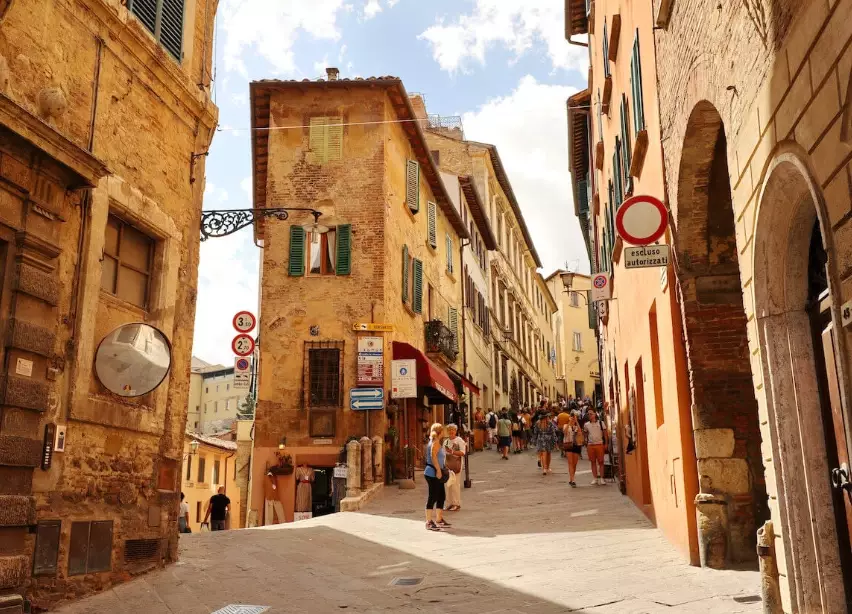
In Umbria, Orvieto is a spectacle, perched on a volcanic tuff cliff. The drive up is an experience. The Duomo's facade is one of Italy's greatest. But beneath the town lies a hidden world of Etruscan wells and caves. The Orvieto Underground tour is a fascinating look into a different kind of history.
Driving Note: Most of these historic hill towns have strict ZTLs (Zona a Traffico Limitato)—limited traffic zones. Unauthorized entry leads to heavy fines mailed to your rental company and then to you months later. Always park in the designated, often large, parking lots on the outskirts of town and walk in. Your hotel can usually provide a permit if they have parking inside the ZTL.
How to Plan Your Visit to Italy's Top Places
Throwing darts at a map won't work. Italy's shape means travel times can be deceptive.
Crafting a Realistic Itinerary
A classic mistake is trying to do Rome, Florence, Venice, and the Amalfi Coast in 10 days. You'll spend half your trip on trains or in cars. Here’s a more sustainable approach for a 10-12 day first trip:
- North-Centric (Cities & Lakes): Milan (1 night) -> Lake Como (2 nights) -> Venice (2 nights) -> Florence (3 nights) with a day trip to Siena/San Gimignano. Fly out of Florence or Rome.
- Classic Triangle with Coast: Rome (4 nights) -> Train to Naples, transfer to Sorrento (3 nights as base for Pompeii/Amalfi Coast) -> Train to Florence (3 nights).
- Deep Dive into One Region: Florence (4 nights) -> Rent a car -> Chianti region (2 nights) -> Val d'Orcia hill towns like Pienza, Montepulciano (3 nights). Slow, immersive, and stunning.
Getting Around: Train vs. Car
For city-to-city travel (Rome-Florence-Venice-Milan), the high-speed train (Frecciarossa or Italo) is faster, cheaper when booked in advance, and less stressful than flying or driving. Book tickets on the Trenitalia or Italo websites. Prices rise as the date approaches.
Rent a car only when you plan to explore rural areas like Tuscany, Umbria, or Puglia. Pick it up as you leave your last major city (e.g., pick up in Florence after you're done visiting, then drive to the countryside). Drop it off before entering your next major city to avoid ZTL fines and parking chaos.
Your Italy Travel Questions Answered
The best places to visit in Italy aren't just pins on a map. They're experiences shaped by when you go, how you get there, and the little details you choose to notice. Skip the rushed, surface-level tour. Pick a few places that speak to you, dig into the practicalities, and leave room for the unexpected—the perfect espresso in a backstreet bar, the conversation with a local shopkeeper, the moment you turn a corner and see something not in any guidebook. That's the Italy you'll remember.