Let's cut to the chase. You're planning a trip to Boston and your search history is filled with "top things to do in Boston." You're staring at a list of twenty, thirty, even fifty attractions and feeling overwhelmed. I've been there, both as a visitor and now as someone who's walked these cobblestone streets for years. The truth is, trying to do everything is the quickest way to enjoy nothing. Boston's magic isn't in checking boxes; it's in the feel of the old bricks underfoot, the sudden view of the harbor between buildings, and the quiet corners most guides rush past.
This isn't another generic list. This is a curated, actionable guide based on what actually delivers a memorable Boston experience. We'll focus on the core attractions that define the city, how to experience them smartly, and the specific details—ticket hacks, timing secrets, local shortcuts—that most articles miss. I'll tell you what's worth your limited time and, just as importantly, what you can comfortably skip without FOMO.
Your Boston Adventure at a Glance
How to Experience the Freedom Trail Like a Pro?
The Freedom Trail. It's on every list for a reason—it's the spine of American history, literally laid out in red brick at your feet. But most people do it wrong. They try to marathon all 2.5 miles and 16 sites in one scorching afternoon, emerging with sore feet and a blur of dates and names.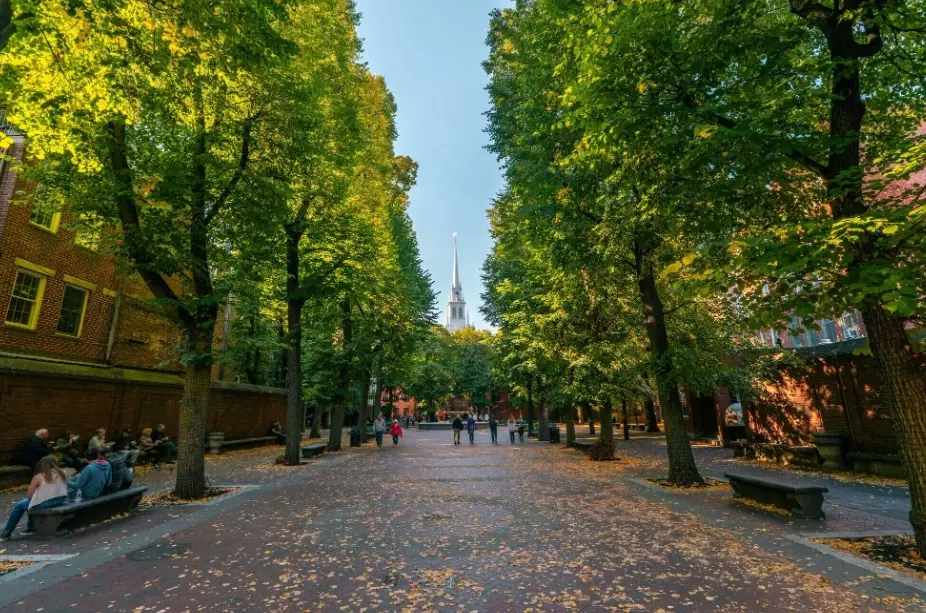
Here's the better way: Treat it as a sampler, not a final exam.
Start at the Boston Common Visitor Center (148 Tremont St) to grab a map. The official Freedom Trail Foundation website is also a great resource. Now, pick your battles. The trail is divided into two logical halves: the downtown cluster and the North End/Charlestown stretch.
My personal strategy: I dedicate a morning to the downtown section. The Granary Burying Ground (where you'll find Franklin, Revere, and the victims of the Boston Massacre) has an atmosphere you can't rush. Stand by the old stones and ignore the crowd for a minute. Then, I always spend real time inside the Old South Meeting House (310 Washington St). It's not the biggest, but the exhibits on protest and free speech connect 1773 to today in a way that feels urgent. Admission is around $6-$8.
For the North End section—home to Paul Revere's House and the Old North Church—I recommend a separate visit, ideally later in the day. Why? Because then you're perfectly positioned for dinner in Boston's Italian neighborhood. Trying to do both halves back-to-back is a logistical headache involving a long walk across the Charlestown Bridge.
A major mistake I see: people just look at the outside of Faneuil Hall. Go inside. The first-floor marketplace is touristy, sure, but head upstairs to the Great Hall. This is where the protests actually happened. It's often free to enter and open to the public when not in use for events. Check the schedule online.
What Are the Best Museums in Boston?
Boston is packed with world-class museums, but your interests and time should dictate your choice. Don't just go to the biggest one. Here’s a breakdown based on what you're actually looking for.
| Museum | Address & Nearest T Stop | Ticket & Hours Tip | Why It's a Top Thing to Do |
|---|---|---|---|
| Museum of Fine Arts (MFA) | 465 Huntington Ave, Museum of Fine Arts Station (Green Line E) | Adults ~$27. Closed Tue/Wed. Go after 3pm on Wed-Fri for lower crowds. Free entry on certain community days—check their calendar. | It's enormous and can be overwhelming. Focus: the phenomenal Ancient American, Japanese, and Contemporary collections. The American Wing paintings, especially the Sargents, are breathtaking. |
| Isabella Stewart Gardner Museum | 25 Evans Way, a short walk from the MFA | Adults ~$20. Reserve online. Closed Tue. If your name is Isabella, you get in free (seriously). | This is an experience, not just a museum. The stolen art empty frames are a haunting must-see. The courtyard is sublime. It feels personal and eccentric, a stark contrast to the MFA's grandeur. |
| Boston Tea Party Ships & Museum | 306 Congress St, South Station (Red Line) | ~$34. It's a timed, guided reenactment. Book ahead. First tour is often least crowded. | Cheesy? Maybe. Fun and immersive? Absolutely. You throw tea into the harbor. Kids love it, but adults get into it too. It makes history tactile. |
| Harvard Museum of Natural History | 26 Oxford St, Cambridge (Harvard Square, Red Line) | ~$15 for adults. Combined ticket with the Peabody Museum available. | The Glass Flowers gallery is a unique wonder—delicate, scientifically perfect botanical models. It's quieter than downtown museums and lets you explore Harvard Square afterward. |
One non-consensus take: The Institute of Contemporary Art (ICA) in the Seaport is worth it more for the architecture and harbor views from its cantilevered wing than for any specific exhibit. Go on a nice day, buy a ticket, and enjoy the space as much as the art. The ICA website has current exhibition info.
Boston Beyond the Pavement: Outdoor & Scenic Spots
If you only stay downtown, you miss Boston's relationship with the water. These are the activities that give you breathing room.
Boston Public Garden & Swan Boats
This isn't just a park. It's America's first public botanical garden. The Swan Boats (operating roughly April to September) are a charming, slow, 15-minute pedal boat ride around the lagoon for a few dollars. It's iconic. The best time is on a weekday morning. The "Make Way for Ducklings" statues are here, too, always surrounded by smiling kids.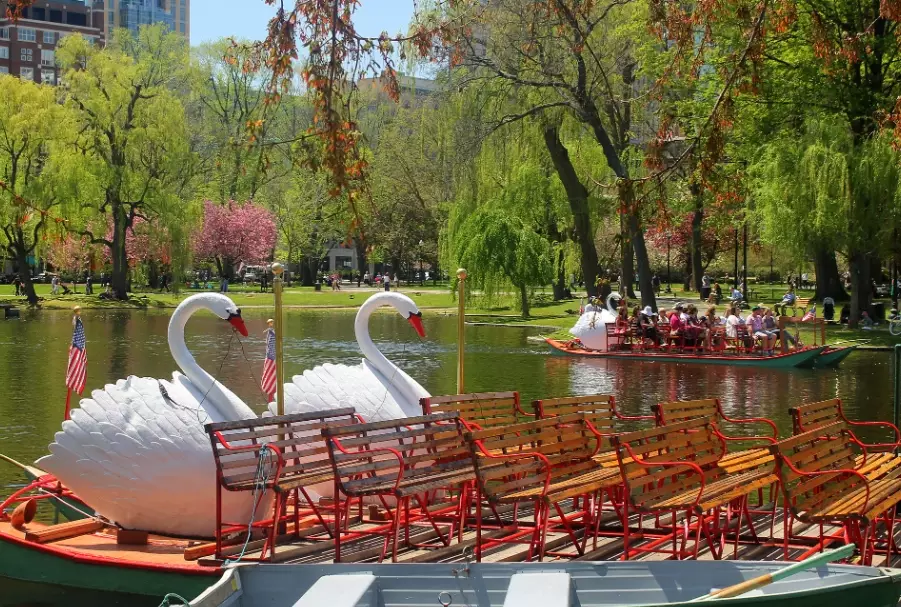
Charles River Esplanade
Rent a bike from a Bluebikes station (there are dozens) and ride the path along the Charles. The view of the Cambridge skyline and the rowing teams on the water is pure Boston. You can ride from the Museum of Science all the way to Boston University, with great people-watching the whole way.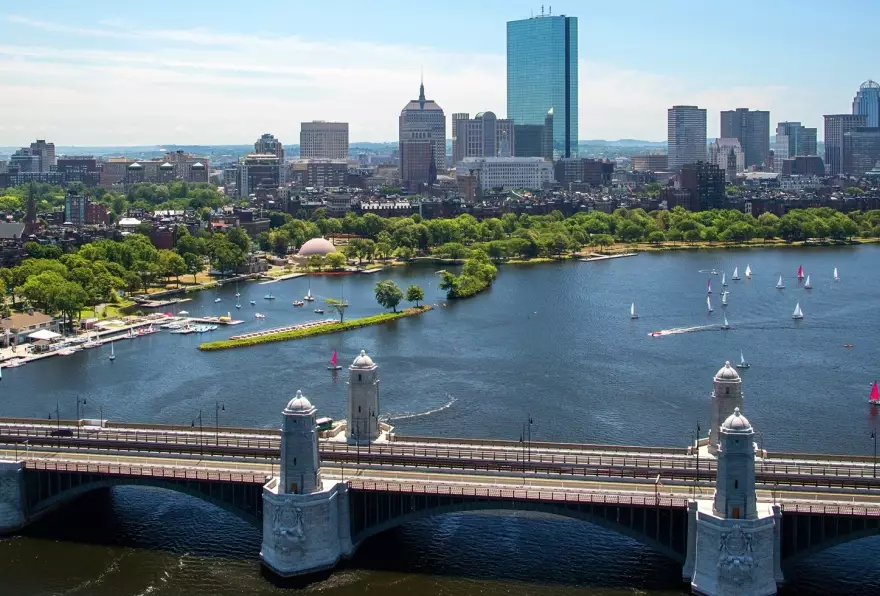
Boston Harbor Islands National and State Park
This is the city's secret weapon. A 45-minute ferry from Long Wharf (about $25 round-trip) takes you to Georges Island, home to historic Fort Warren. It feels worlds away. Pack a picnic. The ferries to Spectacle Island are great for swimming and hiking. Schedules are seasonal, so check the Boston Harbor Islands website meticulously.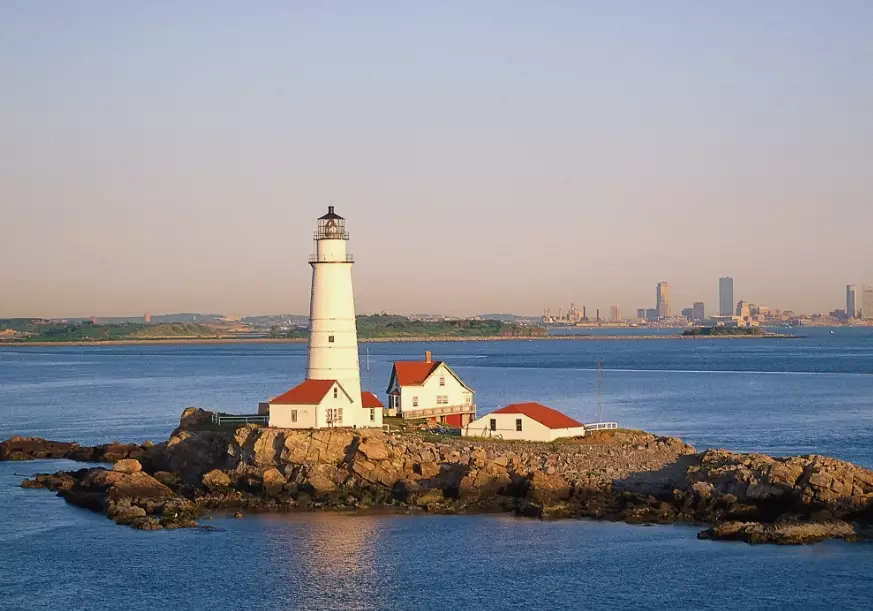
Sunset Harbor Cruise
Skip the generic day tours. Book a late-afternoon or sunset cruise with a company like Boston Harbor Cruises. Seeing the skyline light up from the water, with the Bunker Hill Monument and the Custom House Tower silhouetted, is unforgettable. It's a splurge (tickets can be $40-$60), but it's the best view of the city you can get.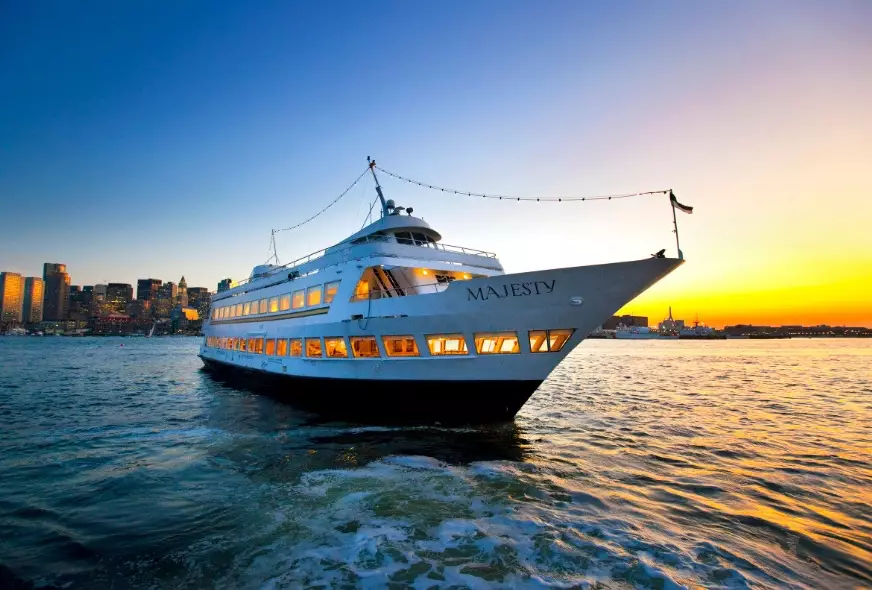
Neighborhood Deep Dives: Where to Wander Off the Path
After the big-ticket items, wander without a strict agenda.
North End: Yes, it's for the Freedom Trail sites, but stay for the food. The mistake is going to the most famous pastry shop (Mike's) and waiting in a line down the block. Modern Pastry, on the same street, often has a shorter line and, in my opinion, a cannoli with a better shell-to-filling ratio. For dinner, wander down Salem or Hanover streets and pick any trattoria with red-checkered tablecloths and a menu in the window. You can't go too wrong.
Beacon Hill: Don't just walk down Charles Street (though you should—it's full of lovely shops). Turn onto any side street, like Acorn or West Cedar Street, and get lost among the brick row houses, gas lamps, and hidden gardens. It's quiet, beautiful, and feels like a time capsule.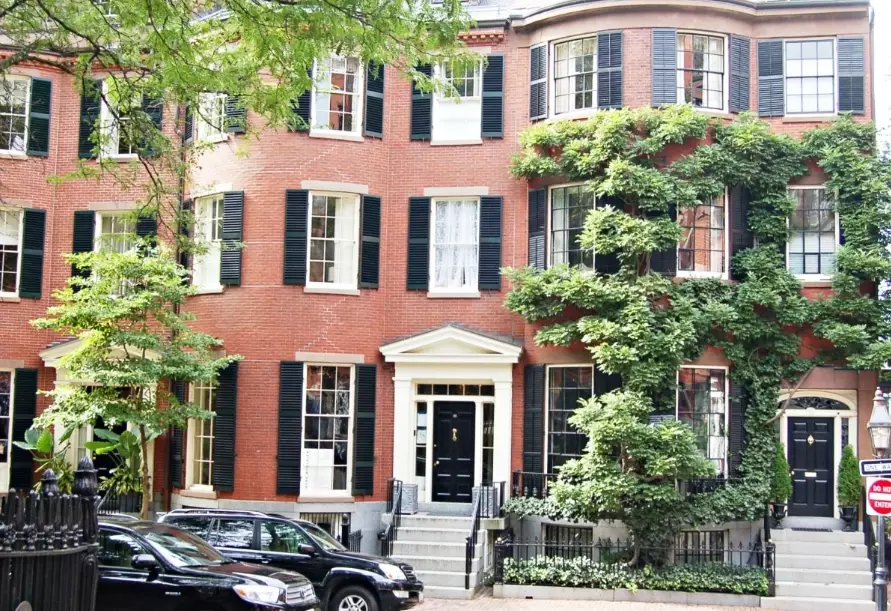
Jamaica Plain: Take the Orange Line to Stony Brook and walk to the Arnold Arboretum, a 281-acre living museum of trees managed by Harvard. It's free, sprawling, and a favorite for local runners and families. Afterwards, explore Centre Street for independent cafes and bookstores.
Boston Trip Planning: The Nitty-Gritty Logistics
Getting this right makes everything else smoother.
- Getting Around: The "T" (subway) is your friend. Get a CharlieCard (the reusable plastic card) for the cheapest fares. A 7-Day LinkPass ($22.50) is fantastic for unlimited travel if you're here for a few days. Walking is often faster than driving or even the T for short downtown hops.
- Timing Your Visits: Major attractions are packed from 11am to 3pm. Be an early bird or a late owl. Many museums are less crowded on Friday evenings. Avoid the New England Aquarium on weekends and school holidays if you dislike crowds.
- Footwear is Non-Negotiable: This is a walking city. Cobblestones, brick sidewalks, hills in Beacon Hill—your stylish but unsupportive shoes will betray you by noon. Wear the most comfortable walking shoes you own.
Your Boston Trip Questions, Answered
Boston reveals itself in layers. Start with the historic core, then peel back to find the vibrant neighborhoods, the waterfront escapes, and the local haunts. Move at the pace of a stroll, not a sprint. Talk to people. Ask a barista for their favorite spot. That's where you'll find the city's real rhythm—somewhere between the echo of revolutionary speeches and the gentle lap of harbor waves against a wharf.
This guide is based on extensive personal experience and regular visits to these locations. Details like opening hours and prices are subject to change; always check the official attraction website before your visit for the most current information.