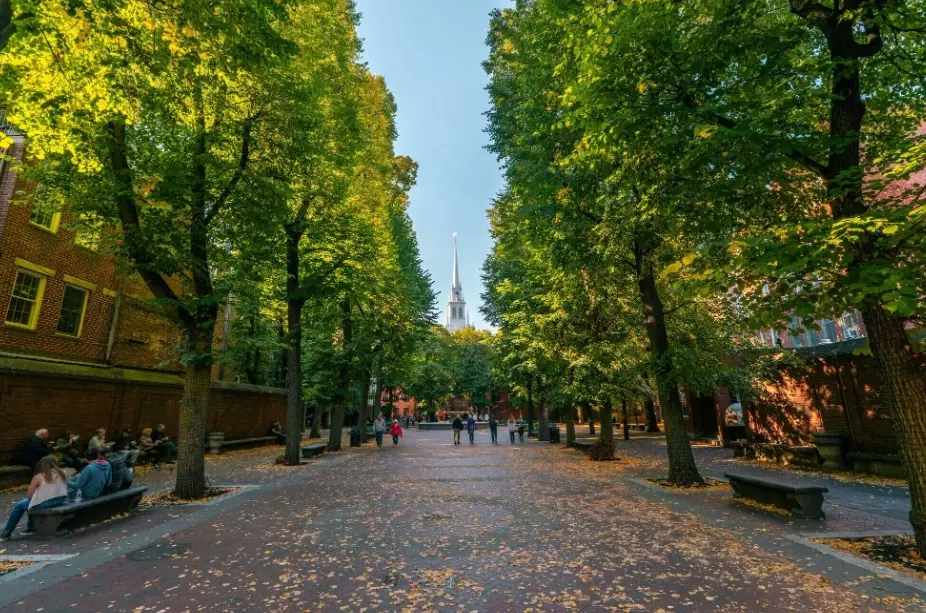
Let's be honest. When you think of UK dishes, a soggy, greasy image of fish and chips probably flashes before your eyes. I used to think the same. Then I spent six months eating my way from Cornwall to the Scottish Highlands, and my entire perspective flipped. British food isn't about that one over-hyped, often poorly executed dish. It's a story of resilience, regional pride, and surprisingly bold flavors hiding in plain sight, often behind the unassuming door of a local pub. This guide isn't a list of stereotypes. It's a roadmap to the meals that define Britain's culinary soul, complete with where to find them, how to order them, and the little secrets that make all the difference.
Your UK Food Journey Starts Here
The Essential Savory Classics You Must Try
Forget the frozen, mass-produced versions. The magic happens when these dishes are made with care, often in places that look like they haven't changed their decor in 50 years. That's usually a good sign.
1. The Perfect Sunday Roast: A Weekly Ritual
The Sunday Roast is less of a meal and more of a national pastime. It's a multi-component plate that requires harmony. A great one features slow-roasted meat (beef with horseradish, lamb with mint sauce, or chicken with bread sauce), crisp, fluffy Yorkshire puddings (not oily sinkers), roasted potatoes with shatteringly crisp exteriors, seasonal vegetables, and a generous pool of rich, homemade gravy. The Yorkshire pudding is the canary in the coal mine. If it's dense, greasy, or served stale, walk out. A good one should be airy, golden, and perfect for soaking up gravy.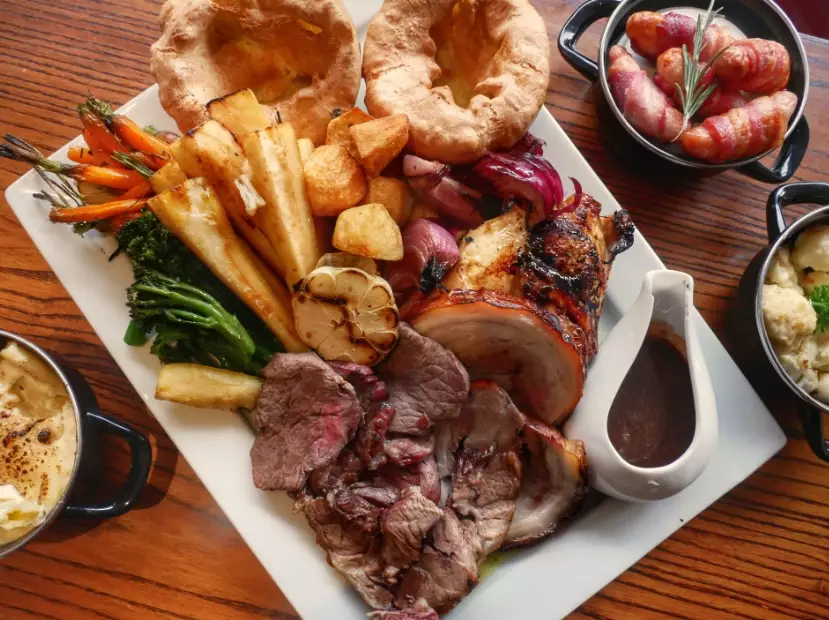
Where to find it: Don't just go to any pub on a Sunday. Look for ones that advertise a "carvery" or specifically pride themselves on their roasts. In London, The Pig & Butcher in Islington sources its meat from the family farm, and you can taste it. Their beef roast, pink in the middle, is a thing of beauty. Booking is essential.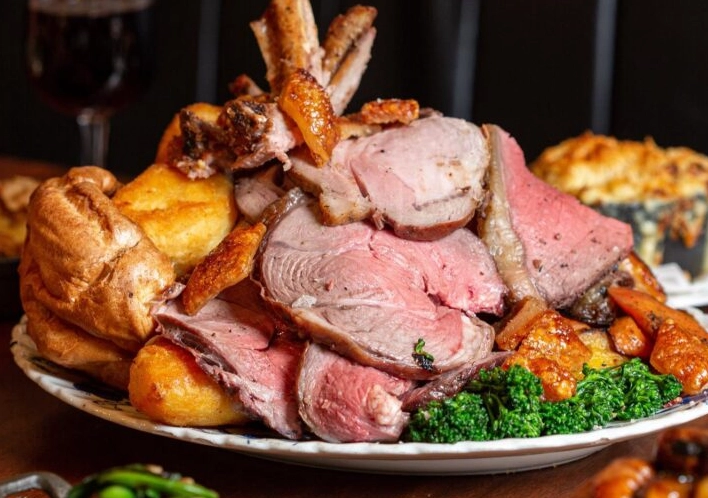
2. A Proper Full English Breakfast: The Fuel of Champions
This is a plate of contradictions. It seems like a random assortment of fried things, but each element has a purpose. You need the salty punch of back bacon (streaky is American), the savory depth of a proper sausage (look for Cumberland or Lincolnshire varieties), the creamy counterpoint of scrambled or fried eggs, the sweetness of grilled tomato and mushrooms, the starch of fried bread or toast, and the essential, often divisive, black pudding. Skipping the black pudding is like watching a movie with the sound off. You miss the deep, iron-rich, spiced complexity that ties the plate together. It's not blood-flavored jelly; it's a seasoned, crumbly delicacy.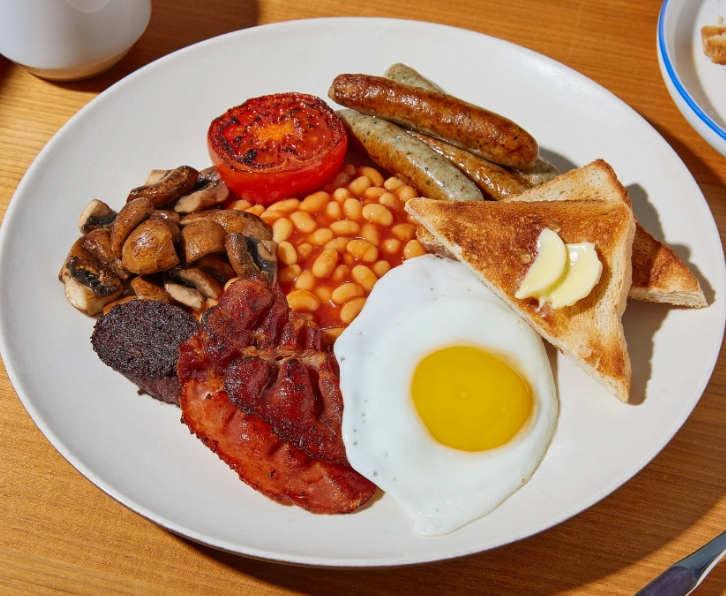
Where to find it: Avoid tourist traps in central London. Head to a classic "caff" (casual cafe). E. Pellicci in Bethnal Green is a family-run institution with Formica tables and unbeatable fry-ups. Opens at 7 AM, cash only, and worth every penny.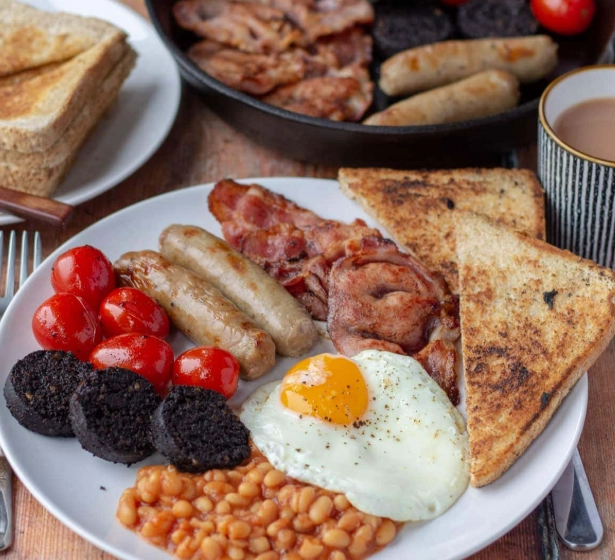
3. Regional Heroes: From Pies to Pasties
This is where geography dictates flavor.
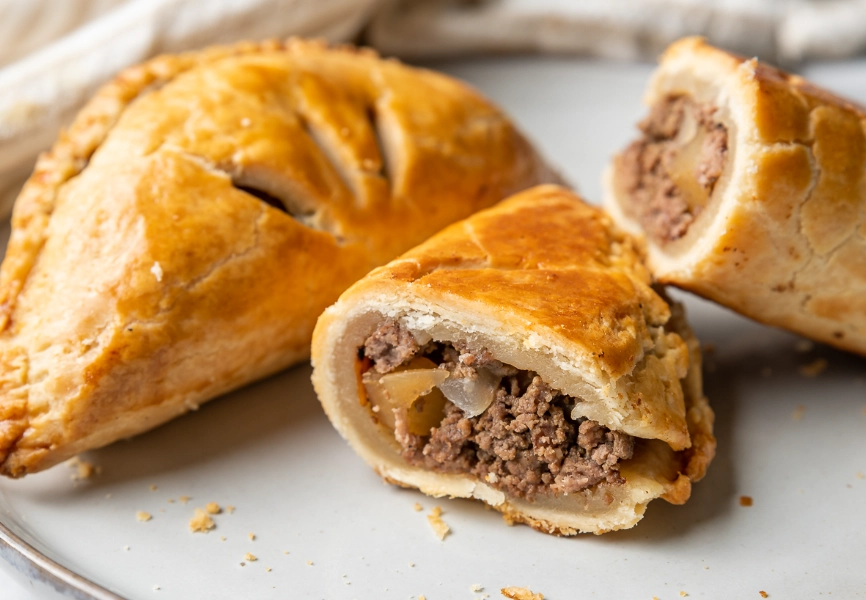
- Cornish Pasty: The OG handheld meal. By law, it must be made in Cornwall. The filling is uncooked beef, potato, swede (rutabaga), and onion, sealed in a thick, crimped pastry edge (the crust you don't eat, historically for tin miners to hold). A genuine one has a "D" shape, not a semicircle. I got a fantastic one from Ann's Pasties on Fore Street in St. Ives—steamy, flavorful, and perfectly balanced.
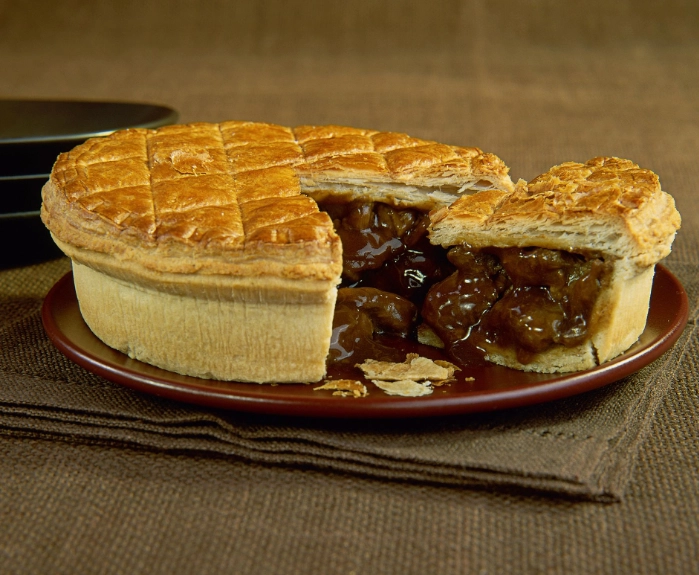
- Steak and Kidney Pie: A pub staple. The kidney is non-negotiable; it gives a gamey, rich depth. The best versions have a full pastry lid and a separate dish, not just a pastry top on a bowl. The gravy inside should be dark, glossy, and intensely meaty.
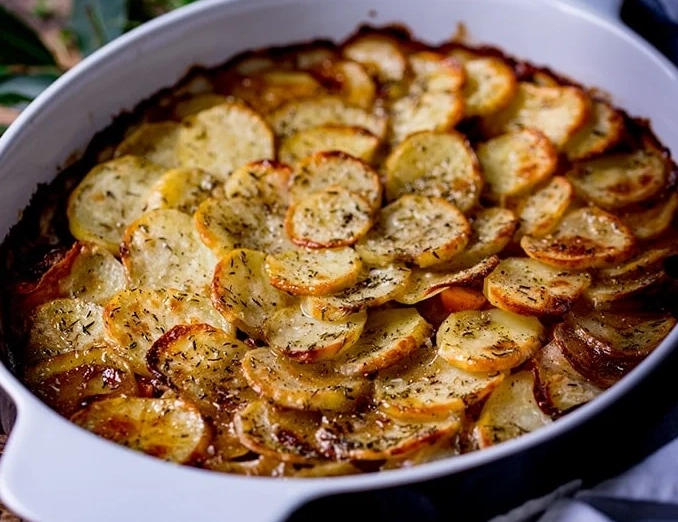
- Lancashire Hotpot: A comforting northern casserole of lamb, onions, and potatoes, slow-cooked until the top layer of potatoes is crisp and the lamb is fall-apart tender. It's subtle, hearty, and deeply satisfying on a cold day.
My Top London Picks for Classic UK Dishes
Based on my countless (and sometimes regrettable) meals, here are spots that consistently get it right. This table is your cheat sheet.
| Dish | Restaurant/Pub | Address & Vibe | Key Info & Price Point |
|---|---|---|---|
| Sunday Roast | The Pig & Butcher | 80 Liverpool Rd, London N1. Rustic-chic, meat-focused. | Booking mandatory. Roasts from £22. Served 12 PM - 5 PM Sunday. |
| Full English Breakfast | E. Pellicci | 332 Bethnal Green Rd, London E2. Classic, no-frills "caff". | Opens 7 AM daily. Full English ~£10. Cash only. |
| Fish & Chips (done right) | Poppies Fish & Chips | 6-8 Hanbury St, Spitalfields. 1950s nostalgia decor. | Takeaway & sit-in. Cod & chips ~£15. Open until 10:30 PM. |
| Steak & Kidney Pie | The Guinea Grill | 30 Bruton Pl, Mayfair. Historic, wood-paneled pub. | Pie is a signature. Mains from £25. Smart casual dress. |
| Modern British Tasting Menu | St. JOHN Bread and Wine | 94-96 Commercial St, Spitalfields. Minimalist, nose-to-tail. | Iconic for offal. Tasting menu from £65. Lunch & dinner. |
Beyond the Pub: A Modern Renaissance
While the classics are vital, a new wave of chefs is redefining UK dishes with world-class technique and hyper-local ingredients. This isn't "fusion"; it's a deep dive into British produce.
The "Modern British" scene is thrilling. Think foraged sea herbs from the Cornish coast, heritage breed pork, and vegetables treated with as much respect as a prime cut. Restaurants like St. JOHN (the one in Smithfield or Spitalfields) pioneered this with their philosophy of "nose-to-tail" eating. Their roasted bone marrow with parsley salad is legendary for a reason—it's simple, primal, and unforgettable. In Borough Market, you can see this ethos in action. Chat with cheesemongers at Neal's Yard Dairy or sample rare-breed charcuterie. The quality is tangible.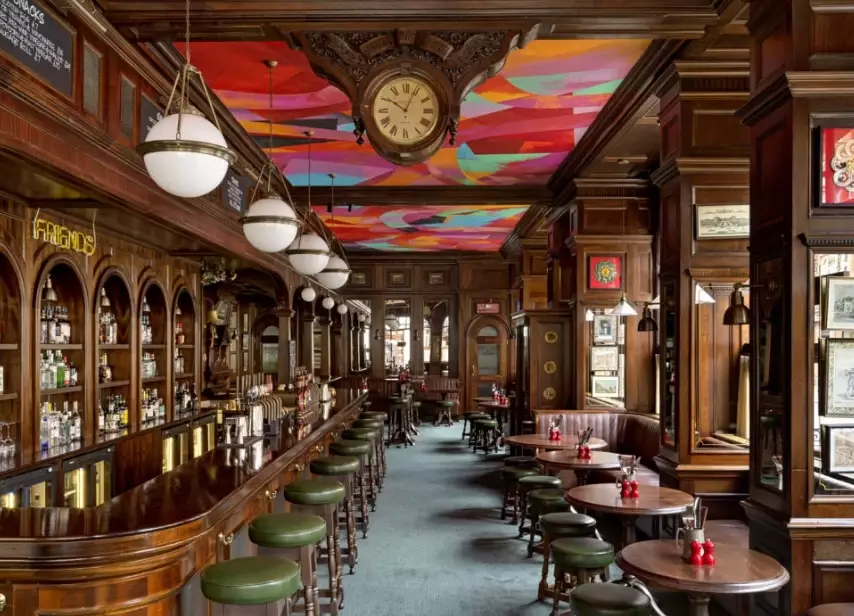
The Sweet Finale: Puddings, Not Desserts
In Britain, the sweet course is a "pudding," and it's often stodgy, comforting, and served warm. This is not the place for a light fruit salad.
- Sticky Toffee Pudding: The undisputed king. A moist date sponge soaked in a rich, buttery toffee sauce, always served warm, usually with vanilla custard or cream. The sauce should be deep, not just sweet. A poor version uses a sickly-sweet syrup; a great one has a complex, almost burnt caramel flavor.
- Spotted Dick: Yes, the name makes everyone chuckle. It's a steamed suet pudding studded with dried fruit (the "spots"), served with custard. The texture should be light and spongy, not dense. It's a test of a good pub kitchen.
- Eton Mess: The elegant exception. A simple, glorious mix of crushed meringue, whipped cream, and fresh strawberries. The meringue should still have some crunch, and the strawberries must be ripe and sweet.
Your UK Food Itinerary: A 3-Day Plan
Here’s how to structure a short trip to maximize flavor and minimize disappointment.
Day 1: London Classics & Markets
Morning: Start at Borough Market (open from 10 AM, closed Sundays). Skip breakfast. Go straight for a grilled cheese from Kappacasein or a Scotch egg from Ginger Pig. Soak in the sights and smells.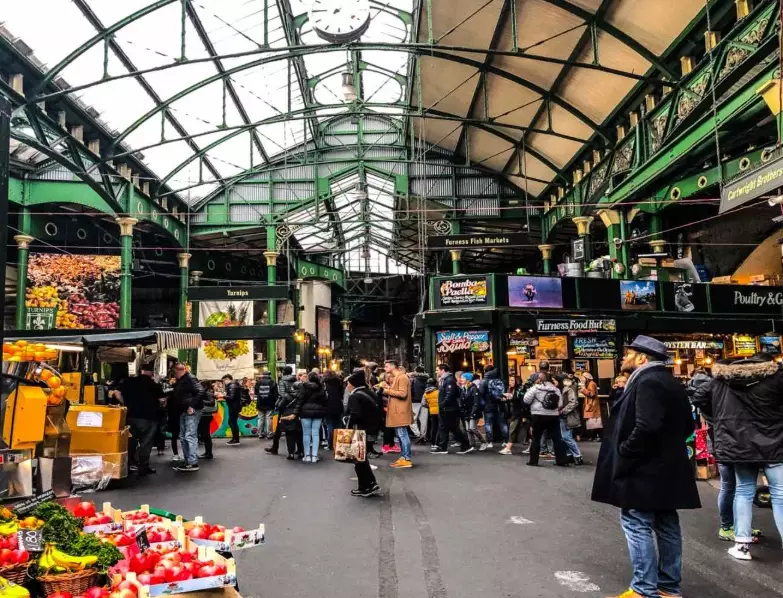
Lunch: Walk to Poppies in Spitalfields for fish and chips. Sit in the 50s-style booth.
Dinner: Book a table at The Guinea Grill for a classic steak and kidney pie or a perfectly cooked steak. It feels like a step back in time.
Day 2: The Full British Experience
Morning: Take the Tube to Bethnal Green for a Full English at E. Pellicci.
Afternoon: Explore. For a late lunch/snack, find a food hall like Seven Dials Market for diverse, modern options.
Dinner: Experience Modern British. Try St. JOHN Bread and Wine for their famous dishes, or book a gastropub like The Harwood Arms in Fulham (the only pub in London with a Michelin star) for elevated pub food.
Day 3: Pubs, Pies, and Puddings
Morning: If it's a Sunday, book a roast. If not, visit a historic pub like The George Inn near London Bridge for a pint and a pie lunch.
Afternoon: Take a food tour in an area like Soho or Covent Garden to sample smaller bites and learn history.
Evening: Make your final meal a celebration. Go for a tasting menu at a Modern British restaurant, or return to a favorite classic spot. End with a sticky toffee pudding somewhere cozy.
Navigating Common UK Food Questions
The journey through UK dishes is one of discovery. It rewards curiosity and punishes assumptions. Start with the classics, respect the rituals, and then dive into the modern interpretations. Your taste buds will thank you. I still dream about that first perfect Yorkshire pudding from a pub in the Peak District, the crisp exterior giving way to a soft, steaming center, ready to be flooded with gravy. That's the real Britain on a plate.
This guide is based on personal travel and dining experiences across the United Kingdom. Details such as opening hours and prices should be verified directly with establishments before visiting, as they can change.