You search for Arizona things to do, and the Grand Canyon floods the results. It's incredible, sure. But after a dozen trips crisscrossing the state, I can tell you that fixating solely on that one wonder means missing the soul of Arizona. The real magic happens in the quiet moments on a Sedona trail at dawn, in the quirky charm of a Tucson desert museum, and in navigating the surprising urban wilderness of Phoenix. This isn't just a list; it's a blueprint built from getting lost, finding better spots, and learning what most guides skip.
Your Arizona Adventure Awaits
The Grand Canyon: More Than Just a Viewpoint
Let's get this out of the way first. Yes, you should see it. But the mistake 90% of first-timers make is treating it like a drive-up photo op. They fight for parking at Mather Point at noon, snap a picture, and leave overwhelmed and underwhelmed at the same time. The canyon demands engagement.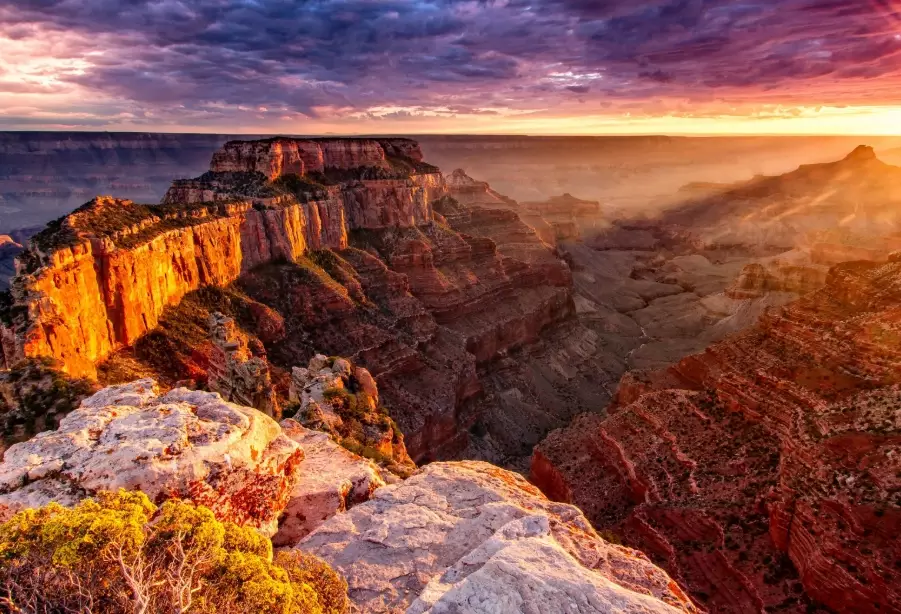
South Rim vs. North Rim: Picking Your Side
The South Rim is open year-round, has all the services, and is about a 90-minute drive from Flagstaff. The North Rim is higher, cooler, quieter, and closed from roughly December to May due to snow. It's a 4-5 hour drive from the South Rim—they are not close.
| Feature | South Rim | North Rim |
|---|---|---|
| Best For | First-time visitors, families, year-round access, extensive amenities | Solitude, cooler temperatures, serious hikers, photography |
| Gateway Town | Tusayan, AZ (5 mins from gate) or Flagstaff (1.5 hrs) | Jacob Lake, AZ (1 hr) or Kanab, UT (1.5 hrs) |
| Key Viewpoint | Yavapai Point (geology talk), Hopi Point (sunset) | Bright Angel Point (short, stunning walk), Cape Royal |
| Signature Hike | Bright Angel Trail (steep, water available) | North Kaibab Trail to Coconino Overlook |
| Entrance Fee | $35 per vehicle (valid 7 days) | $35 per vehicle (valid 7 days) |
My personal take? The South Rim feels like visiting a world-famous museum. The North Rim feels like discovering a secret. If you have time for only one and crave solitude, the extra drive to the North Rim is worth every mile.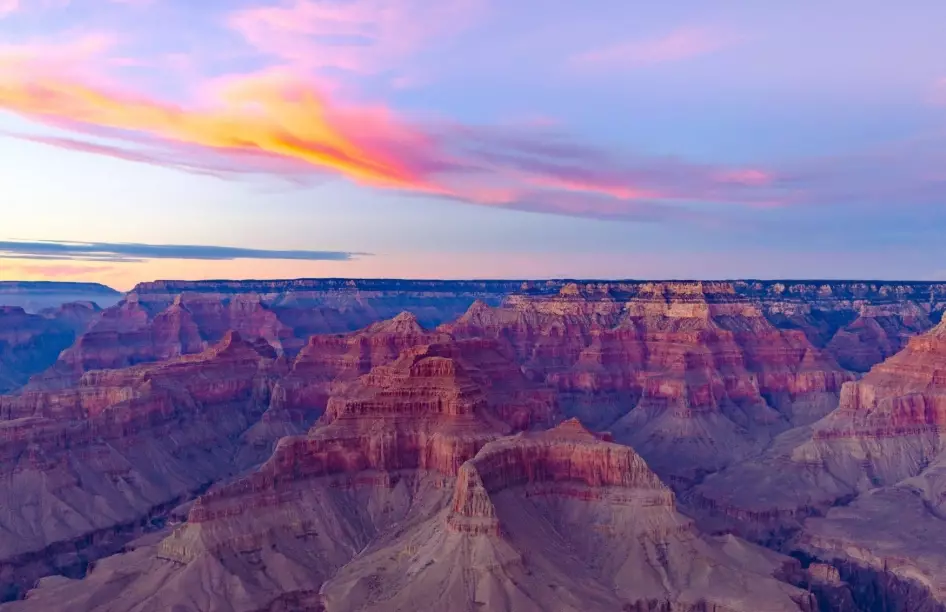
Getting There & Getting Around
Driving: From Phoenix, it's about 3.5 hours to the South Rim via I-17 and AZ-64. Traffic builds by 10 AM. Leave early.
Parking: A genuine headache at the South Rim. The lot at the Visitor Center fills by 9 AM. Use the free Park & Ride lot at the Grand Canyon Visitor Center in Tusayan. The shuttle is efficient and saves you hours of frustration.
Shuttle Buses: The park's free shuttle system on the South Rim has three lines. The Hermits Rest Route (Red) is the most scenic and is only accessible by shuttle March through November. Don't skip it.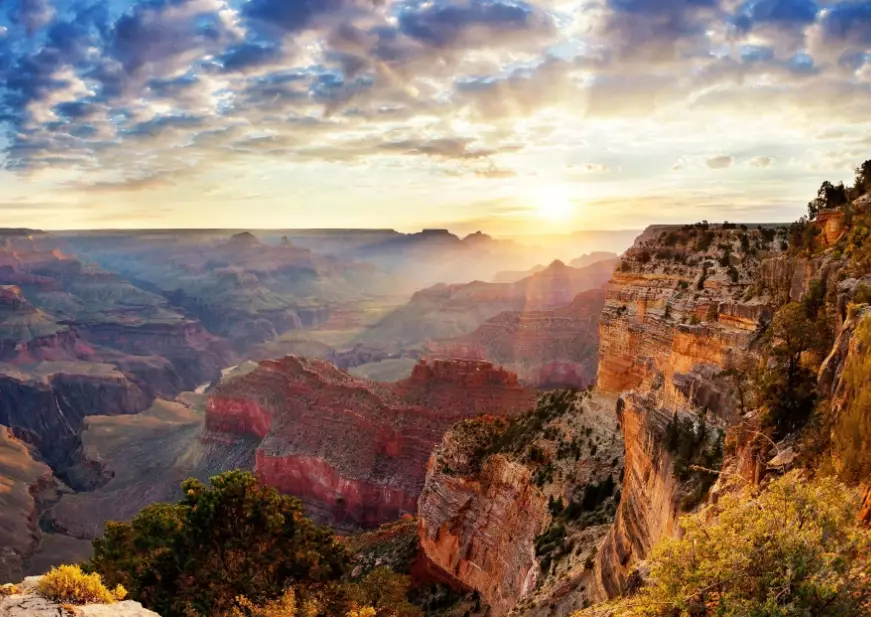
Train: The Grand Canyon Railway from Williams is a fun, nostalgic trip. But it's an all-day commitment (about 8 hours round-trip with 3 hours at the rim). Good for a relaxed, car-free day; bad if you're short on time.
How to Experience Sedona's Red Rock Magic
Sedona isn't just pretty rocks. There's a palpable energy here—some call it vortexes, others just call it awe. The town itself can feel touristy, but the landscape is profoundly grounding.
Hikes That Deliver (Without the Crowds)
Cathedral Rock Trail: This is the iconic, steep climb you see in photos. It's short (1.2 miles round trip) but involves serious scrambling. The trailhead parking lot on Back O' Beyond Road is tiny and fills at sunrise. Go on a weekday or be prepared to use the nearby shuttle lot.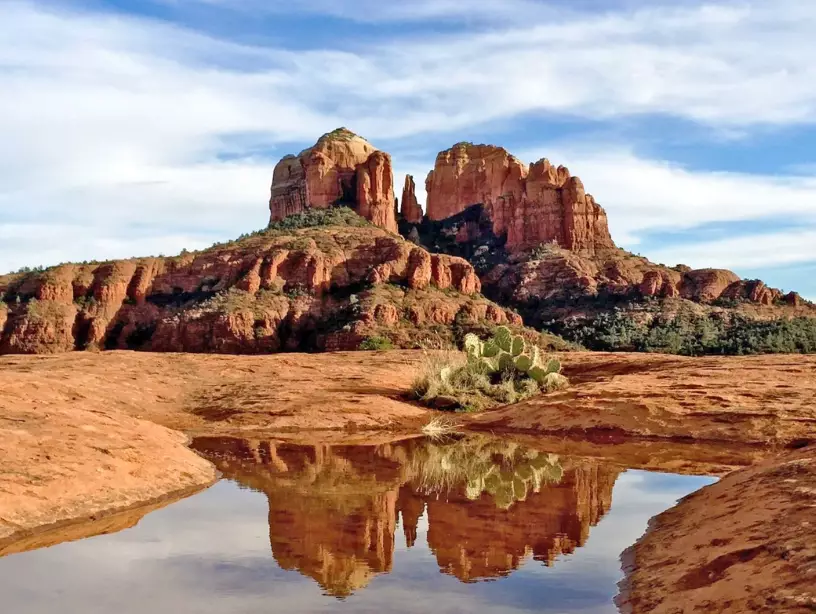
Devil's Bridge Trail: The largest natural sandstone arch in Sedona. The main Mescal Trailhead is often packed. Instead, park at the Dry Creek Vista trailhead (requires a high-clearance vehicle for the last bit of road) or take the shuttle from the lot off Soldier Pass Road. The hike is about 4 miles round trip from these points.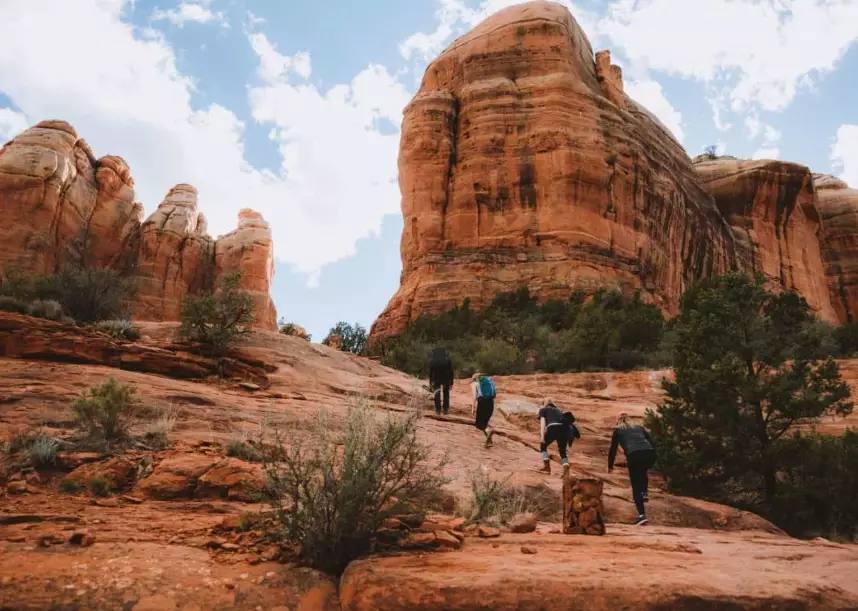
My Secret Favorite: Bear Mountain Trail. It's tough (5 miles, 2,000 ft elevation gain), but you leave 95% of the crowds behind after the first half-mile. The 360-degree view from the top encompasses everything—from the red rocks to the San Francisco Peaks near Flagstaff. Start early, bring 3 liters of water per person, no excuses.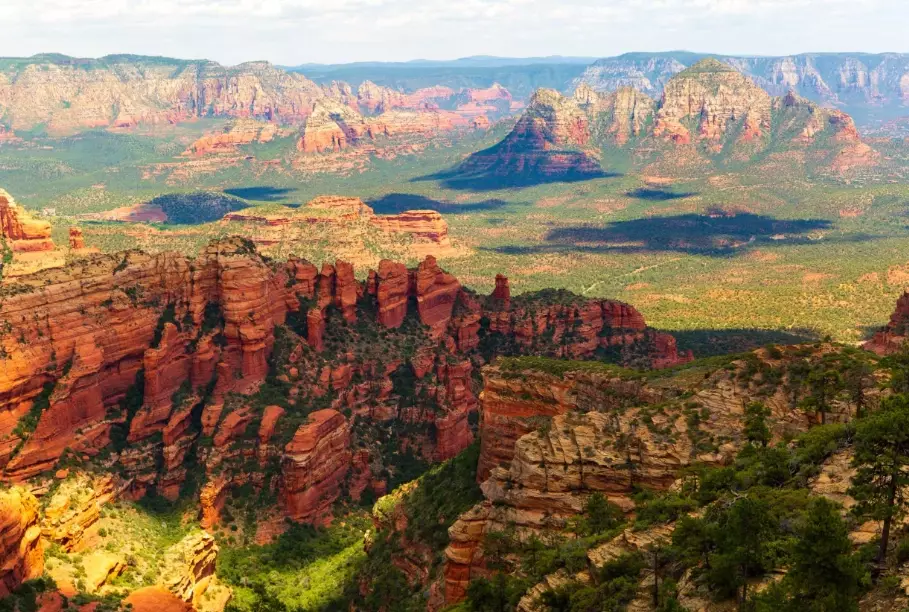
Beyond Hiking: The Sedona Vibe
The vortex sites (Airport Mesa, Bell Rock, Cathedral Rock, Boynton Canyon) are marked. You don't need to believe in energy fields to appreciate them; they're simply beautiful, quiet places. I sat at Airport Mesa at dawn and watched the light creep down the cliffs—it was meditative, vortex or not.
Tlaquepaque Arts & Shopping Village feels like a Mexican village plopped in the desert. It's pricey but perfect for an afternoon stroll. For a quirky local bite, try the Coffee Pot Restaurant (2050 W AZ-89A). It's a diner with 101 omelets on the menu, always busy with locals, and just feels real.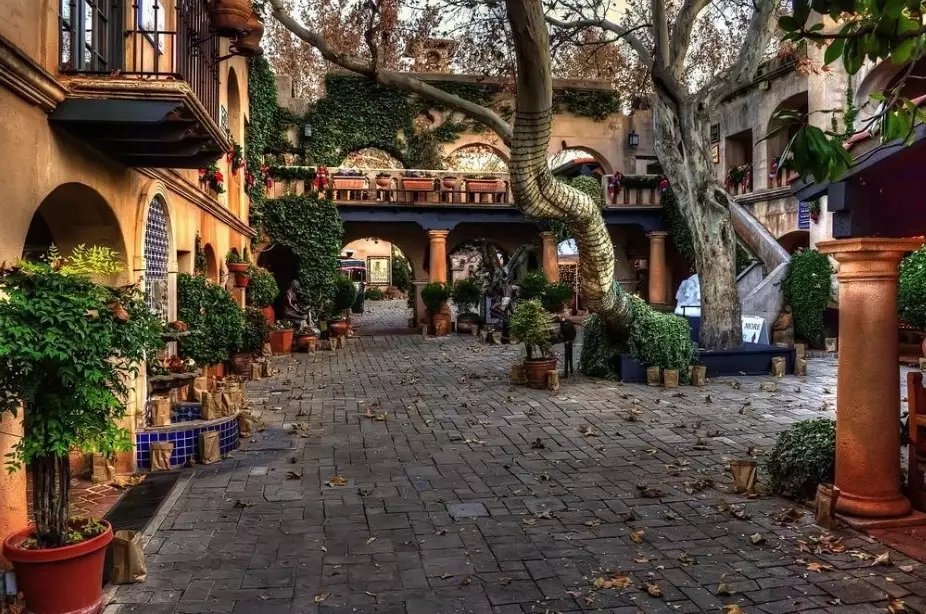
Urban Adventures in Phoenix & Tucson
Most people fly into Phoenix and rush out. That's a mistake. The Sonoran Desert cities are ecosystems in themselves.
Phoenix: Not Just a Concrete Jungle
Hiking in the City: Camelback Mountain (Echo Canyon Trail) is the famous, grueling climb. It's like a stairmaster with views. For something less intense but equally rewarding, Piestewa Peak offers a shorter, still-sweaty summit. My top recommendation? South Mountain Park and Preserve. It's one of the largest municipal parks in the US. The National Trail to Hidden Valley and the Fat Man's Pass rock squeeze is an adventure. Parking at the main trailhead is free.
Cultural Oasis: The Desert Botanical Garden (1201 N Galvin Pkwy, Phoenix) is a masterpiece. It's not just about cacti; it's a lesson in desert survival and beauty. Go in the early morning or for their seasonal evening Las Noches de las Luminarias event. Adult tickets are around $30.
Tucson: The Soul of the Sonoran Desert
Tucson has a grittier, more authentic feel than Phoenix. The food scene is incredible (it's a UNESCO City of Gastronomy).
Saguaro National Park splits into East and West districts. The West (Tucson Mountain District) has denser, more iconic saguaro forests and is easier to navigate. The Bajada Loop Drive is a great scenic dirt road (passable for standard cars when dry). The visitor center here is small but informative. The $25 vehicle pass is valid for both districts for 7 days.
Arizona-Sonora Desert Museum (2021 N Kinney Rd, Tucson) is misnamed. It's primarily a world-class zoo and botanical garden focused solely on Sonoran Desert species. You'll see mountain lions, hummingbirds, and snakes in naturalistic habitats. It's about a 20-minute drive from downtown Tucson. Tickets are about $25. Plan for at least 3 hours.
For dinner, dive into the El Charro Café downtown. It claims to be the oldest Mexican restaurant in the US run by the same family. The carne seca (sun-dried beef) is unique to them.
Planning Your Arizona Trip: Essential Tips
Arizona will humble you if you're not prepared. The desert doesn't care about your plans.
Water is Non-Negotiable: I carry a 3-liter hydration pack on any hike, even short ones. In summer, your car should have a gallon of water per person, just in case. Dehydration sneaks up fast.
Sun & Heat: A wide-brimmed hat, sunglasses, and mineral sunscreen are your best friends. Hike at dawn. Summer afternoons (June-August) are for indoor activities, pool time, or driving with strong A/C.
Reservations: For popular national parks (Grand Canyon, especially), book lodging 6-12 months in advance. For Sedona, a few months out. Last-minute trips are possible, but you'll be staying further out.
Respect the Land: This is the most important tip. Stay on marked trails. The cryptobiotic soil (that black crust) is a living ecosystem that takes decades to recover from a footprint. Don't stack rocks (cairns). Pack out all trash. Leave no trace.
Arizona Travel FAQs: Your Questions Answered
This guide comes from miles on the road, sunburns earned, and countless conversations with park rangers and locals. Arizona's landscape is demanding but generous. It rewards those who slow down, look closer, and come prepared. Forget just checking a box for the Grand Canyon. Dive into the rest. Your own story is waiting out there among the saguaros and red rocks.
Fact-checked against official National Park Service resources, local tourism boards, and personal on-site verification.